Ukraine
europe
Advocacy for Ukraine
What is Happening?
The humanitarian crisis in Ukraine has reached a pivotal moment. As missile and drone strikes by Russia intensify against civilian infrastructure and frontline regions, millions of Ukrainians are entering the winter facing stark risk of losing heating, water or electricity. Meanwhile, humanitarian funding is diminishing just as needs mount.
Compounding the crisis, host countries such as Germany and Poland are now seeing a surge in young Ukrainian men (aged 18-22) leaving Ukraine after travel rules were relaxed this summer. In Germany, arrivals in that group climbed from under 20 per week in mid-August to between 1,400 and 1,800 per week by October, with some EU leaders warning that public support for hosting Ukrainians could erode if young men are seen to be leaving Ukraine rather than serving, and far-right parties in Poland demanding that welfare benefits be restricted.
At the same time, although Ukrainian humanitarian organisations have made notable progress in asserting their leadership, the bulk of resources and power still reside with external agencies rather than being handed over to local actors.
What Must Be Done?
Refugees International is working directly with leading Ukrainian humanitarian actors to enable Ukrainian organizations to take the lead in strategy, programming, and resources. We see the Ukraine crisis as a global model for localisation: when political will, funding and structural reform align, local actors deliver aid that is more resilient, effective and dignified. Europe must urgently prioritise transferring decision-making, strengthening local capacity, closing the funding gap, and adapting to new protection dynamics—including the reality that many Ukrainians will seek refuge in Europe and require long-term, not just temporary, protection.
Latest Reports and Briefs

Latest Statements and News
Less Than 1% of Humanitarian Funding for Ukraine Goes Directly to Local Organizations
December 19, 2024
New Study Shows Local Organizations in Ukraine Significantly More Cost-Efficient than International Organizations
July 23, 2024

Number of Displaced Venezuelans Matches Ukraine Crisis, International Support Does Not
August 31, 2022
Latest Opinions, Q&As, and Explainers
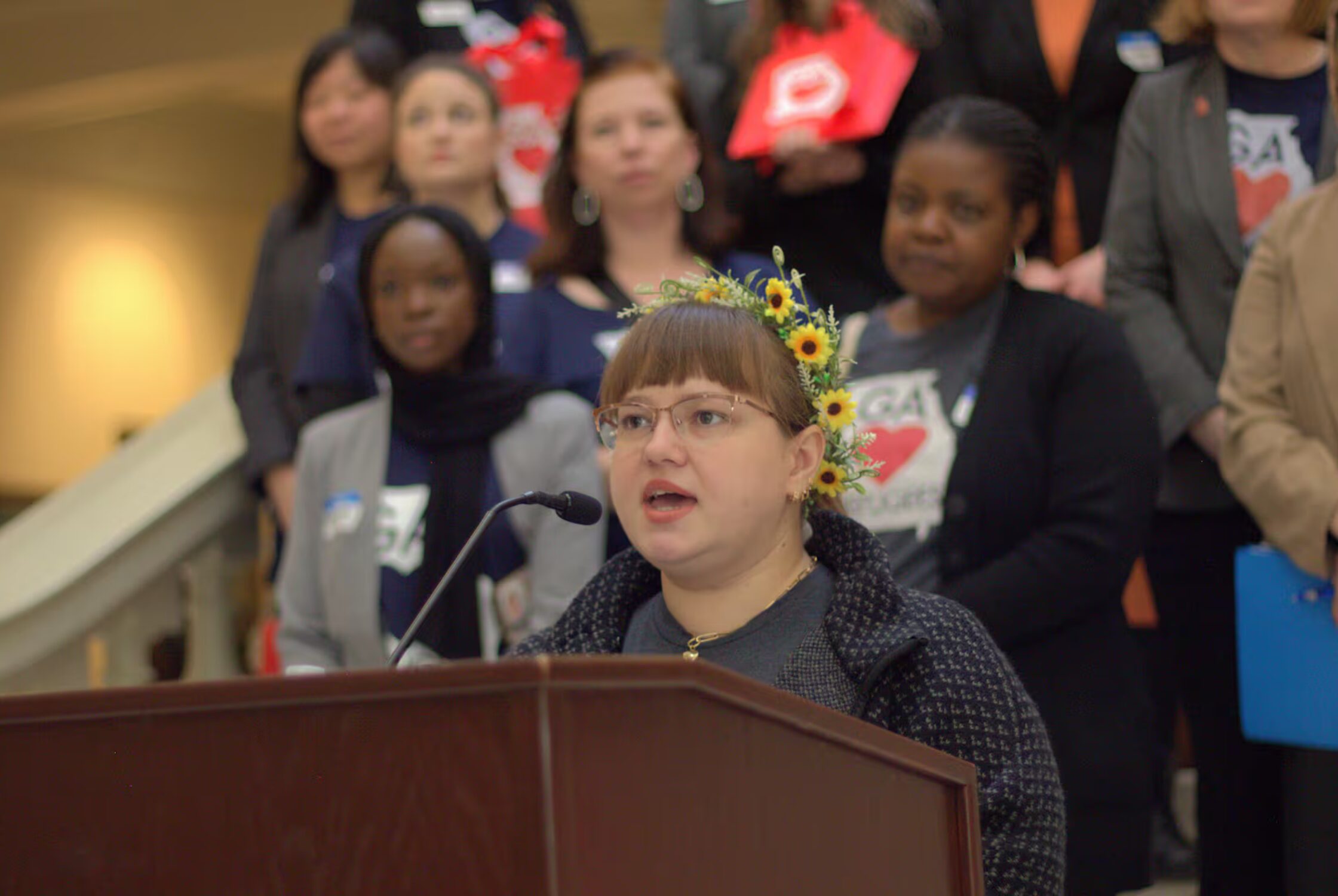
The Atlanta Journal-Constitution: I Fled Ukraine and Rebuilt My Life in Georgia. Now my legal Status is at Risk
September 22, 2025
Kyiv Independent: With Cuts Looming, It’s Time To Reform Ukraine’s Humanitarian Aid System
February 11, 2025
Devex: There is a Clear Financial Case for Localizing Aid
October 15, 2024
Latest Advocacy Letters

Latest Events and Testimonies

Latest Perspectives and Commentaries
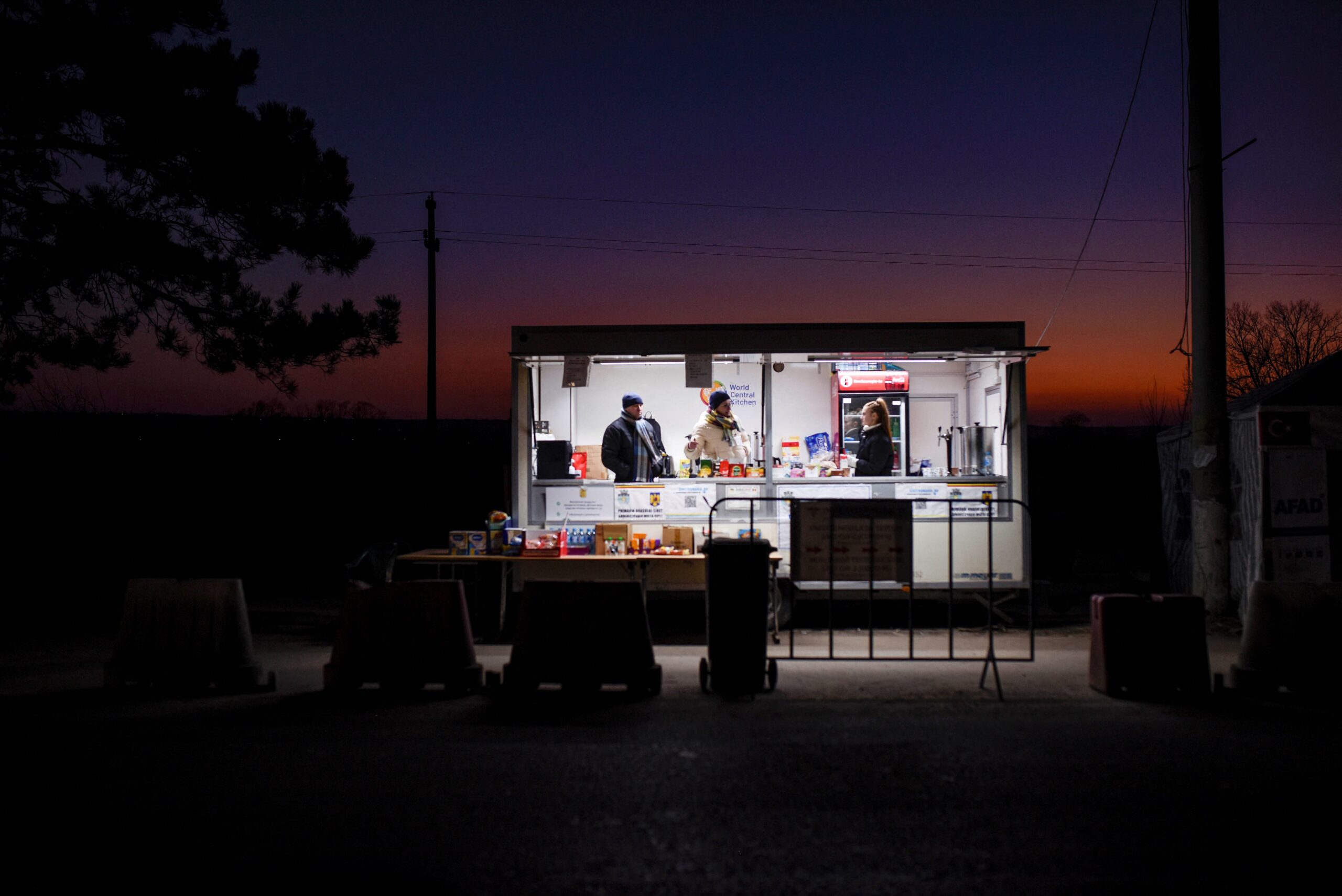
Featured Image: Women who fled the war in Ukraine carry their babies after crossing the Polish Ukrainian border on March 07, 2022 in Kroscienko, Poland. © Omar Marques/Getty Images
Take Action
Tell the White House: Keep Our Promise to Refugees
The White House is targeting refugees who were promised safety in the United States. Tell the White House to immediately end these unlawful attacks on refugees and keep our promise.