Imminent Atrocities, Famine, and Cholera Crisis in Sudan as World Leaders Meet at UN
Statement from Refugees International:
“Refugees International is deeply alarmed by reports from in and around El Fasher, Darfur, of imminently escalating atrocities and spreading famine and disease. We are further concerned by the fighting and hunger in the Kordofan states, as well as the rapid spread of cholera and dengue fever across the country. We call upon all parties with influence over the Rapid Support Forces (RSF) and Sudanese Armed Forces (SAF) and allied militias to halt the siege on El Fasher, to allow in lifesaving aid, and to allow safe passage for civilians choosing to leave.
Reports from Emergency Response Rooms (ERRs) and other local Sudanese civil society actors on the ground in Darfur paint a picture of desperation with some 260,000 civilians – half of them children – trapped in El Fasher. The RSF’s attack on the Abu Shouk displacement camp and the drone attack on a mosque on September 19 – killing at least 70 people – are signs of rapid escalation in the months-long siege of El Fasher by the RSF. As Refugees International has reported from earlier interviews with survivors, past RSF takeovers in Ardamata, El Geneina, and Zamzam displacement camp have been marked by mass displacement, widespread sexual violence, and ethnically targeted killing. Local Sudanese and international humanitarian actors on the ground warn that the same is imminent in El Fasher.
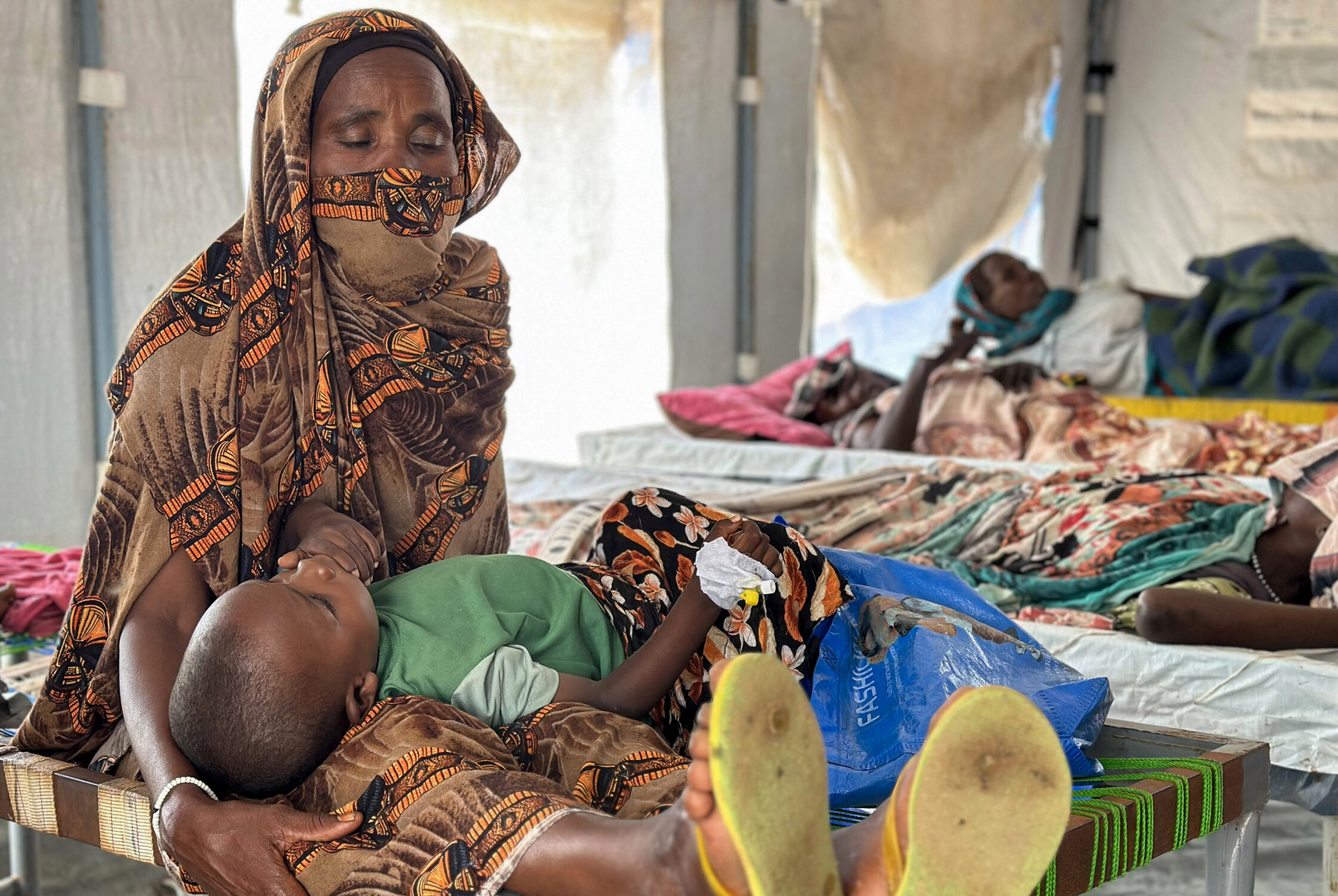
Meanwhile, the mass displacement and destruction of the health system have led to the largest cholera crisis ever seen in Sudan – particularly places like Darfur and in Kadugli, South Kordofan, that have seen hunger and large-scale displacement – and in refugee camps in eastern Chad. There have been more than 113,000 cases and 3,000 deaths due to cholera reported across the country, 350 of those deaths in Darfur. This is particularly alarming in the context of confirmed and likely spreading famine in the area. Famine and disease, when combined, lead to exponential loss of life.
While El Fasher faces the most imminent danger, civilians across Sudan continue to suffer the consequences of war. Both the RSF and SAF are responsible for widespread attacks on civilians and civilian infrastructure, including killings, mass displacement, and sexual violence.
UN Security Council members and countries supporting or with influence over the RSF and SAF – including Iran, Kenya, Turkey, and the “Quad” countries of Egypt, Saudi Arabia, the United Arab Emirates, and the United States – must push them to halt the fighting and allow in food, medicines, and shelter materials. Refugees International welcomes the “Quad statement” – by Egypt, Saudi Arabia, the United Arab Emirates, and the United States – and echoes the need for “rapid, safe, and unhindered humanitarian access,” a humanitarian truce and ceasefire, and a transition toward a civilian-led government. Acting now to prevent atrocities in El Fasher and to surge aid through support of UN agencies and local Sudanese groups like the Emergency Response Rooms (ERRs) will be an essential first step if the Quad’s broader aims are to be reached.
As world leaders gather for the United Nations General Assembly and the Quad leaders meet for a ministerial meeting on Sudan, we urge them to use all diplomatic influence to end the attacks on civilians and restriction of aid across Sudan and, most immediately, do all they can to respond to famine and prevent the imminent mass atrocities once again looming in Darfur.”
For more information or to schedule an interview, contact Etant Dupain at edupain@refugeesinternational.org.
Featured Image: Cholera infected patients receive treatment in the cholera isolation centre at the refugee camps of western Sudan, in Tawila city in Darfur, on August 14, 2025. Photo by -/AFP via Getty Images.