Beyond the Camp: Realizing Ethiopia’s Commitment to Refugee Self-Reliance
Executive Summary
Following decades of refugee policy premised on mass encampment, Ethiopia has made significant policy shifts in recent years. Its most recent plan—the yet-to-be-formally launched Makatet Road Map—aims to coordinate the many state agencies responsible for refugee policy and improve refugees’ access to national services. The plan holds real promise, but significant implementation gaps remain. To ensure greater inclusion and self-reliance for its more than 1 million refugees and asylum seekers, Ethiopia should prioritize adequate funding and decentralize authority over its refugee policies to meet the distinct needs of its various refugee-hosting regions. Ethiopia’s Ministry of Labor and Skills (MoLS) should simplify the procedures for work and business permits. Additionally, Ethiopia’s Refugees and Returnees Service (RRS) should publish comprehensive, disaggregated data on refugees who have been employed and have started their own businesses.
For years, encampment was the country’s dominant refugee policy, confining most refugees to more than 20 camps and settlements spread across the country with minimal formal rights. The “care and maintenance” model relied on maintaining humanitarian relief aid indefinitely, which was expensive and unsustainable, especially given declining international humanitarian resources. In refugee camps, aid agencies and host governments fund and operate separate schools, health facilities, water and sanitation systems, and housing in parallel to the state’s systems. The humanitarian system supporting refugees and host communities relies on external funding and incurs significant administrative overhead. This system is not optimized for the long-term development of Ethiopia’s own infrastructure.
If Ethiopia can implement the necessary policy reforms, it will serve as a leading country that models a more humane and sustainable post-encampment approach. The Somali Regional State in eastern Ethiopia offers a model for refugee inclusion that could be adapted and replicated in other refugee-hosting areas, such as Gambella, to guide Ethiopia’s shift beyond refugee encampments. Despite aid cuts, refugees in the Somali Region fare better than those in Gambella, where integration has not taken place.
In 2019, Ethiopia made four pledges during the first Global Refugee Forum (GRF). The pledges focused on creating jobs, improving livelihoods, and enhancing conditions for refugees. Ethiopia was also a pilot country in 2017 for the Comprehensive Refugee Response Framework (CRRF), which triggered refugee legal and policy reforms. The CRRF aimed to increase refugee self-reliance through greater access to local economies and labor markets; to expand access to resettlement; and to foster conditions for return.
To fulfill the GRF pledges, Ethiopia undertook a series of legal and policy reforms, including the 2019 Refugee Proclamation. The proclamation1 allows refugees access to public services by integrating them into the health and education systems rather than through parallel service systems managed by humanitarian agencies. The Proclamation also grants refugees freedom of movement and the legal right to work and open bank accounts.
Building on the 2019 Refugee Proclamation, Ethiopia introduced Directive No. 1019/2024, which operationalizes the right to work for refugees and asylum seekers. At the center of refugees’ access to employment, starting a business, or financial services is the Fayda2 Digital ID System. Initially rolled out in 2024, the Fayda provides citizens and refugees with a unique, biometric-based identity number. The ID enables refugees to access essential services, including financial, healthcare, educational, and social protection services. For the government, the Fayda reduces identity fraud and streamlines operations. However, the Fayda rollout has been slow; it needs to be expedited if refugees are to access public services, enter the labor market, and start businesses.
The reforms shifted many functions long handled by donors and humanitarian agencies to Ethiopian authorities. Since enactment, however, coordination remains uneven—across line ministries, between federal and regional governments, and among government, humanitarian actors, and donors. Alongside the Fayda ID, the forthcoming Makatet Road Map is designed to help close the implementation gap in Ethiopia’s refugee law. The Road Map envisages the establishment of the Makatet National Steering Committee, comprising high-level federal government officials from various ministries, to support the implementation of the Road Map.
The widespread cuts to global humanitarian aid in 2025 pose risks to the implementation of these legal and policy reforms. Ethiopia’s encampment model has long been bankrolled by extensive donor support, but cannot be sustained without it. In fiscal year 2023, Ethiopia received $1.8 billion in U.S. aid, making it the biggest beneficiary and third-largest recipient (after Ukraine and Israel). Since 2001, Ethiopia has received nearly $19 billion in development and humanitarian assistance from the United States. In 2024, Ethiopia received $1.2 billion in U.S. foreign aid, ranking it fourth among recipients. Because of President Trump’s and other countries’ cuts to international humanitarian assistance, Ethiopia’s 2024 Humanitarian Plan received only 29 percent of the $3.2 billion needed. These reductions to assistance risk undermining Ethiopia’s emerging refugee policy reforms. Even so, the Somali Region offers a measure of optimism—demonstrating that integrating refugees into public services can help cushion the impact of reduced external assistance.
Amid shrinking aid and entrenched bureaucracy, Ethiopia’s refugee law and policy face significant implementation barriers. Regional governments must step up to set priorities and drive cross-agency coordination. The Fayda ID rollout can open access to national services. Ethiopia can modernize its refugee regime and set a regional example, but only if ambition is matched by dedicated financing and steady follow-through on its own commitments.
Recommendations
To the Ethiopian Government:
- Empower regional governments to implement the Refugee Proclamation No. 1110/2019 and Directive No. 1019/2024 by devolving authority, resources, and technical support to the subnational level—ensuring that refugee laws and policies are applied effectively where displacement and host communities intersect.
- Strengthen national and regional coordination mechanisms under the Makatet Road Map to ensure the consistent operation of the Comprehensive Refugee Response Framework (CRRF) coordination structures. This should bring together all key stakeholders—regional governments, line ministries, NGOs, and the private sector—to align priorities and sustain joint action.
- Standardize refugee documentation and service access through clear directives to ensure refugees, including those outside camps, have consistent access to national education and healthcare, as promised by the 2019 proclamation.
- Prioritize meaningful participation by refugees through Refugee Led Organizations and host communities to foster ownership and ensure interventions are relevant to local needs.
To Ethiopia’s Refugees and Returnees Service (RRS):
- Devolve decision-making to regional and local offices to enable faster, context-specific implementation. The national office should authorize the regional RRS teams—particularly in Gambella, Somali, and Afar—to interpret and adapt national policies to local realities. This includes tailoring economic integration programs to match local market opportunities and addressing specific community tensions.
- Enhance service delivery by reducing bureaucratic hurdles that hinder the delivery of aid and essential services. Refugees often face lengthy waiting periods to obtain crucial documents, including work permits, out-of-camp permits (OCPs), and business registration certificates.
- Work with the relevant authority and address the inconsistencies between the Refugee Proclamation and Ethiopia’s Proclamation No. 1113/2019 (CSO Proclamation). While the CSO Proclamation does not explicitly prohibit Refugee-Led Organizations (RLOs) from registering, it does impose significant operational and regulatory hurdles that may, in effect, limit their ability to operate effectively. RRS should explore alternatives. For example, in the Somali region, the RLOs are registering legally with local woreda (District) administrations as enterprises, which local authorities, UNHCR, and RRS should continue to support.
To UNHCR and other UN Agencies:
- Prioritize the protection of vulnerable groups, including women and children, and people living with disabilities through targeted programming and advocacy, strengthening birth registration processes by simplifying procedures and expanding mobile registration units to increase accessibility.
- Scale the transition from a humanitarian model to a more sustainable, long-term development approach that fosters self-reliance for both refugees and host communities.
To the World Bank:
- Review previous Bank funding to Ethiopia, and set criteria for future funding through instruments such as the Window for Host Communities and Refugees (WHR) based on demonstrable progress in implementing the 2019 Refugee Proclamation and fostering genuine inclusion.
- Strengthen information sharing and coordination with humanitarian partners, civil society organizations, and local actors to facilitate effective investments and project implementation. Increase the number of dedicated staff with expertise in forced displacement within World Bank country offices. The coordination mechanism should go beyond policy discussions and information exchange, to the potential for joint research and operations – especially for service delivery in areas the government cannot enter.
Methodology
This report is based on the field interviews Refugees International conducted in July 2025 in Ethiopia. The team interviewed refugee leaders, representatives from the World Bank, the UN, and other humanitarian agencies, as well as Ethiopian authorities and experts in refugee law, livelihoods, and urbanization, in Addis Ababa and Jijiga, the Somali region.
Evolution of Ethiopia’s Refugee Policy
Ethiopia is a signatory to the 1951 Refugee Convention and the 1969 Organization of African Union Refugee Convention, and has a long history of hosting refugees. It has hosted refugees for decades, predominantly from Somalia, South Sudan, Eritrea, and Eritrea, as well as Sudanese refugees whose numbers have increased following the outbreak of the Sudanese conflict in mid-2023. These refugees are hosted across five of Ethiopia’s nine regions, and in Addis Ababa, the capital city.
Ethiopia hosts more than 1,080,560 refugees and asylum seekers, with the majority (75-85 percent) residing in designated camps and settlements spread across the country. The remaining population, predominantly Eritrean, resides in urban centers such as Addis Ababa. The largest group of refugees living in Ethiopia is from South Sudan (44 percent), followed by Somalia (32 percent), Eritrea (18 percent), and Sudan (5 percent). The regional distribution is concentrated, with the Gambela Region hosting 395,613 refugees (36.6 percent), and the Somali Region (Liban Zone/Melkadida and Doolo Zone) accommodating 359,583 refugees (33.3 percent). Recent influxes from Sudan and Somalia have further diversified the refugee population and increased numbers in the Amhara and Benishangul-Gumuz regions.
Ethiopia’s refugee-hosting policies have restricted a range of rights, most notably limitations on their freedom of movement and right to work. Driven by political and security motivations, refugees have struggled to access decent work, often working informally to support themselves and their families. They have been forced to reside in areas with limited economic opportunities, and have also faced discrimination by employers who are unwilling to hire refugees out of fear of community backlash. Moreover, despite many refugees having backgrounds in agriculture or pastoralism, few have access to land because Ethiopia’s restrictive land tenure system grants the state primary ownership.
In many ways, the decades-long refugee encampment has not worked for either the host communities or refugees in Ethiopia. The model has too often traded short-term control for long-term fragility. Concentrating most refugees in camps along the borders has constrained movement and work, locking families into aid dependence. Camps also concentrate risk: women and girls face heightened exposure to gender-based violence, and chronic funding shortfalls make essential services brittle and easily disrupted. Unsurprisingly, many move to cities under the out-of-camp policy, but documentation and access barriers leave them in a legal and economic gray zone. Protracted encampment has strained local land and water resources, further straining relations with host communities. The net effect is protection without pathways—safety of a sort, but with too few routes to dignity and self-reliance.
Ethiopia began to shift away from encampment towards an inclusive model, as it pledged at the UN Summit on Refugees and Migrants in 2016. This pivot marked an opportunity for progress that benefits refugees and hosts. As part of the Comprehensive Refugee Response Framework (CRRF), Ethiopia initiated legal and policy reforms to transition from parallel humanitarian responses to an integrated approach. The 2019 Refugee Proclamation No. 1110/2019 marked a significant step towards this new approach, expanding refugee rights by granting access to education, healthcare, and labor markets. The law’s goal is to foster self-reliance rather than foster dependence on aid. Directive No. 1019/2024 operationalizes these rights by providing procedures for refugees to obtain work permits and engage in formal economic activities.
The introduction of the national digital ID system, Fayda3, launched in May 2025, provides refugees with legal identity and facilitates their access to government services. Fayda aligns with two of the Ethiopian government’s commitments announced at the 2023 Global Refugee Forum: integrating refugees into national systems and enhancing access to documentation. As of August 26, 2025, the UN Refugee Agency (UNHCR) and Ethiopia’s Refugees and Returnees Service (RRS) have verified that 176,663 refugees are eligible for inclusion in the National ID Program. However, the rollout has been slow, and the RRS has so far issued only 79,668 refugee ID cards and/or Proof of Registration (PoR) documents containing their Fayda numbers (reaching only about 45 percent of those eligible so far). Refugees who obtain the Fayda ID gain access to economic opportunities, financial inclusion, and social protection. By streamlining access to essential services and economic activities, the Fayda ID will bridge the gap between policy declarations and outcomes.
Tying all this together is the forthcoming Makatet Road Map—a draft copy of which was seen by Refugees International. RRS prepared the Road Map, whose objective is to bring coherence and alignment across various laws, policy frameworks, area-based plans, and programming by ensuring that all actors across the Humanitarian, Development, and Peace Nexus are coordinated. Currently, federal government ministries and regional bureaus4 from refugee-hosting communities are not part of the refugee response coordination. Makatet will help in coordinating all these actors. Given their essential role in federal and regional government-level service delivery and administration under Ethiopia’s federal governance model, these parts of the government must be incorporated into the implementation process. Their inadequate participation stymies the coordinated effort.
The following sections examine several ways to address current gaps in Ethiopia’s refugee policy, including through documentation, service integration, labor-market access, and financial inclusion.
Documentation
Legal documentation may look like routine paperwork, but for displaced people, it is often a matter of life and death. Until they are registered, displaced people effectively do not exist in the eyes of the state. Thus, registration is a gateway right—the prerequisite for recognition and access to all other rights and services. Like in many jurisdictions, Ethiopia requires refugees to be registered to access government services. Under the newly evolving refugee regime, legal documentation will be critical.
In Ethiopia, RRS oversees refugee documentation with UNHCR support. The process provides legal status through registration and the issuance of Refugee Identification Cards, also known as Refugee IDs. In October 2023, the UNHCR, the RRS, and the National ID Program (NIDP) signed a data-sharing agreement, followed by the signing of tripartite Standard Operating Procedures (SOPs) in January 2024. To receive the Fayda ID, refugees must provide their explicit, informed consent for their personal and biometric data to be shared with UNHCR, RSS, and the NIDP. The Fayda facilitates birth registration and provides refugees with the same legal recognition and access to services such as healthcare, education, and financial services as residents.
However, despite the significance of legal documentation and the registration process outlined by law, there are delays in refugees obtaining it. RRS is the government body responsible for registering refugees. The UNHCR reported in October 2024 that the pace of birth registration and Fayda number issuance for refugee children was particularly slow. Without these documents, children are at risk of statelessness and exploitation. This is a key protection measure that requires continued advocacy and streamlined procedures from UNHCR and aid agencies.
Once a refugee is registered and has obtained a number, the next step is to access the integrated services. The limited number of refugees with Fayda IDs and the lack of adequate public services, in part due to aid cuts, prevent refugees from accessing them. However, in the Somali Region, where de facto social and cultural integration has preceded formal integration, the impact of the aid cut is less severe.
Service Integration
Because of the high costs of maintaining parallel, camp-based services, Ethiopia is transitioning towards an integrated service delivery for refugees and host communities. The shift away from the parallel system, which historically provided services such as healthcare and education separately to refugees and host communities, fosters social cohesion and is more cost-effective and economically sustainable. With ongoing aid cuts making traditional encampment models unsustainable, an integrated approach—facilitated by the Fayda ID system—represents a positive step toward a more coordinated and cost-effective system.
Ethiopia’s reliance on parallel service systems—government services for citizens and humanitarian delivery for refugees in camps or designated urban sites—has been costly and inefficient. This approach created distinct, sometimes overlapping systems in which refugees may receive assistance—including food, healthcare, and education—separately from the host community. While access to services like healthcare and education is often available to both groups, humanitarian services in refugee camps can be of higher quality due to targeted international funding and better-equipped facilities.
Humanitarian contacts in Ethiopia noted that public and private sector services have distinct advantages depending on the type of service delivery. The public sector is stronger at delivering health and education services. However, the private sector is better equipped to provide electricity, with refugees paying some fees. Many refugees are not averse to paying a small fee, as long as they can obtain a reliable service.5 Housing, on the other hand, straddles the public and private sectors. When Refugees International visited Jijiga, groundbreaking had begun on low-cost housing for refugees as part of the Jijiga Masterplan urban regeneration.
As part of integrated service delivery, in May 2025, three secondary schools in the Bokolmayo, Kobe, and Hilaweyn refugee camps were incorporated into the national system, as was another in the Shedder camp near Jijiga. Previously, secondary education in these camps was primarily supported by NGOs. However, an RRS officer who spoke with Refugees International said that the effects of recent aid cuts are already visible, including the temporary closure of some camp schools. A humanitarian contact said, “These schools have reopened, but the financial outlook for next year looks challenging.” He cautioned that bringing refugee education into the national system without additional donor investment will, over time, erode the quality of education provided to both host and refugee children. The officer further added that allowing Ethiopia to bear the cost of refugee education entirely is burden shifting rather than burden sharing, as called for in the Global Refugee Compact.
However, empirical evidence shows that supporting refugee self-reliance not only improves their access to rights but also benefits the broader aid landscape, which cannot bear the cost of long-term assistance. According to the World Bank, under a “no economic opportunities” scenario—in which refugees do not work and must rely solely on aid—the annual cost of basic needs per refugee is approximately U.S. $378. When refugees can find opportunities to earn money or work, the amount of assistance needed to cover basic needs reduces annual costs by 44 percent, to U.S. $210 per person. Under a hypothetical “full inclusion” scenario—where in-camp refugees have the same opportunities as hosts—the cost of basic needs decreases further to U.S. $78 per refugee per year.
However, a senior Ethiopian official working with RRS argues the World Bank undercounts the cost of hosting refugees. He explained that the World Bank calculations do not take into account, for instance, that the Ethiopian government provides security to all refugee camps and to those living outside them. Additionally, the World Bank calculation does not include environmental costs, as most refugees cut down trees for fuel.
Inclusion of refugees in Ethiopia’s public services, including health and education, is both a strategic necessity and a severe test for the country. The Fayda ID and early moves—such as bringing refugee students into state schools—signal greater efficiency and inclusion. But sustained progress in health, water, and other essential services will depend on strong, cross-government coordination and reliable, long-term financing. Without continued donor investment, the risk of overburdening Ethiopia’s national systems and diminishing service quality for both refugee and host children remains significant.
Labor Market Access
As Ethiopia’s refugee policy has evolved, so have its specific directives on refugees’ rights and access to work. Recent reforms have notably increased the number of work permits issued to refugees. However, these numbers remain relatively small and point to the need for a more equitable and standardized distribution of work permits.
Refugees Proclamation No. 1110/2019, Article 26 outlines the “most favorable treatment”6 standards relating to the rights to work and property for recognized refugees and asylum seekers. Following its passage, Ethiopia also issued Directive No. 08/2019, which determines the Procedure for Refugees’ Right to Work. However, the Directive restricts refugees’ access to economic opportunities (wage-earning and self-employment) only to areas permitted for foreign nationals, contrary to the most-favored-nation standard under Article 26 of the Refugees Proclamation and the 1951 Refugee Convention. As such, refugees were left competing against experts rather than fellow refugees or even Ethiopian nationals.
Spotlight: Abdi Harri
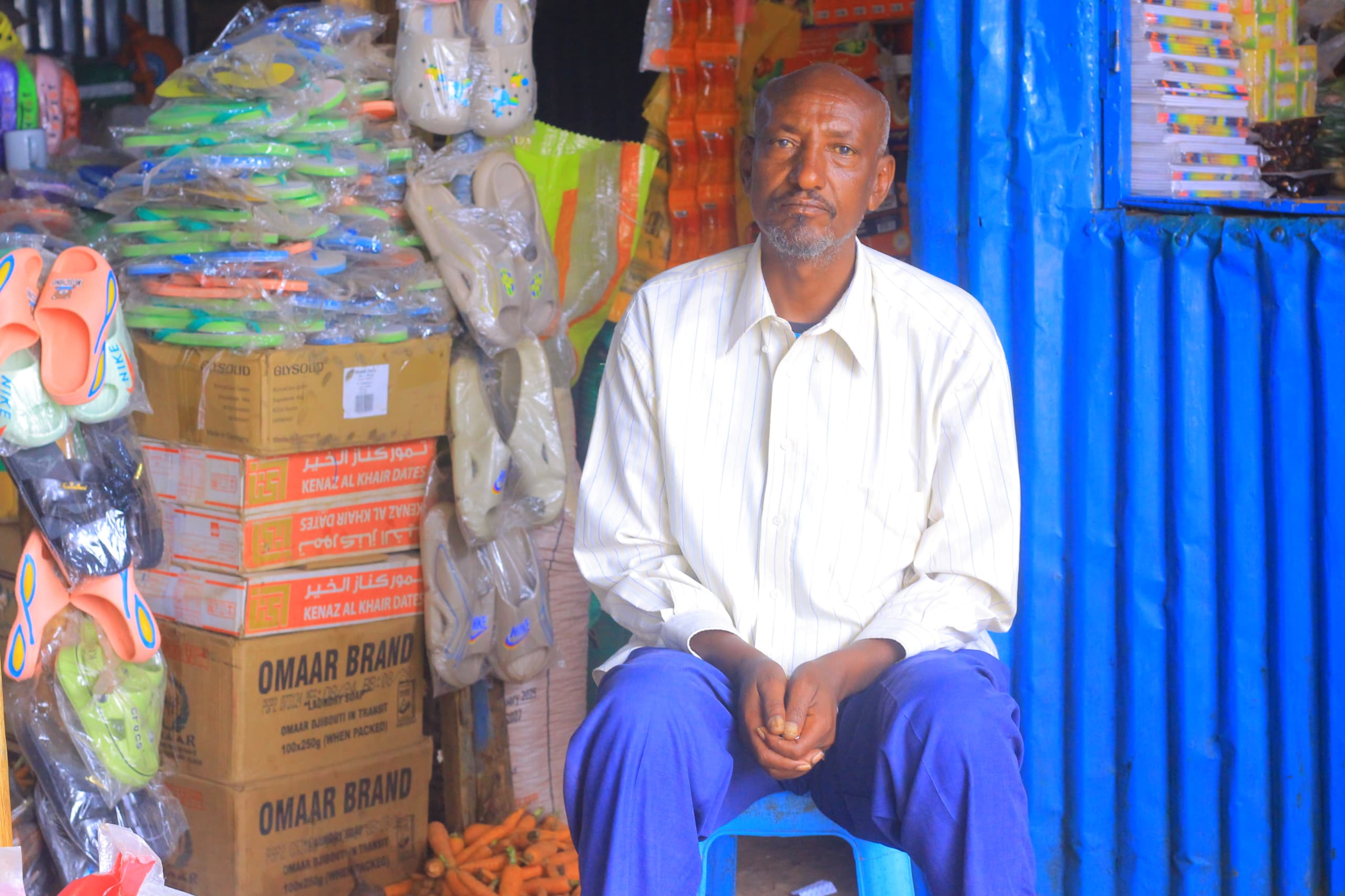
Abdi Harri fled Somalia at the age of 14 and spent 33 years as a refugee in Ethiopia’s Kabribayeh camp. With only a fifth-grade education himself, he understood its value. He ensured all eight of his children received an education. Today, two are university graduates, one is studying at university, and the other is finishing high school. Abdi’s journey is a testament to refugees’ inherent agency. When Ethiopia’s refugee laws and policies provide the framework, individuals like Abdi are not just recipients of aid; they become architects of their family’s future, creating a win-win situation for themselves and their host nation.
To foster refugee inclusion, in September 2021, RRS and the Jobs Creation Commission (JCC) signed a Memorandum of Understanding (MoU). The MoU provides a framework to implement the economic inclusion provisions of the refugee law. The agreement’s goal is to integrate refugees, returnees, and host communities into the national jobs plan by formalizing collaboration between the two agencies. The 2019 Proclamation established the right to work, but the 2021 MoU created a mechanism for government bodies to work together to make this right a reality on the ground. The MoU formalizes the relationship between the RRS (responsible for refugees) and the JCC (responsible for job creation for all Ethiopians). This ensures that policies and initiatives are synchronized and that resources are mobilized more effectively.
Despite these steps, many refugees have yet to draw benefits from these changes. A Congolese refugee in Addis Ababa, who left the Sherkole camp in Western Ethiopia, said he left the camp to find a job there. However, he has not secured any meaningful employment due to what he considers to be discrimination. Despite legal and policy changes, some of the structural barriers identified in a 2021 Refugees International report examining refugees’ labor market access persist.
An Addis Ababa-based refugee expert who assists refugees in obtaining jobs and registering Refugee-Led Organizations stated that one of the challenges refugees face in obtaining a work permit is the frequent turnover of officials, especially outside major cities like Addis Ababa. Since most officials from various agencies are drawn from party cadres, they are subject to frequent transfers, and once transferred, they lose institutional memory. This, coupled with inadequate public information, means that many Ethiopians, including government officials, are poorly informed about refugees’ needs, leading to uneven service delivery across the country, particularly outside major cities such as Addis Ababa. It also means they may be unaware of the best ways to reduce barriers to refugee economic inclusion and the potential benefits of fostering their access to the labor market. This lack of understanding leads to a de-prioritization of work permits, making the process longer and less likely to succeed.
Despite the changes, refugees’ labor market access remains hindered by inconsistent implementation of work permit procedures and bureaucratic hurdles, such as persistent delays in obtaining appointments and receiving work permits, which prevent them from accessing job opportunities. A lack of standardized procedures across the RRS’s regions or offices can lead to unpredictable processes and economic constraints in hosting areas. The Ethiopian government must standardize work permit procedures nationwide, ensuring they are accessible and fairly implemented.
Financial Inclusion
Upon receiving their legal documentation, not all refugees wish to be employed; however, in a country with limited employment opportunities, some refugees may consider starting a business. Two principal barriers stand in the way of refugees getting credit to start a business. One reason is that, due to their lack of credit history, lending institutions, especially banks, consider lending to them risky. The second issue is anti-money laundering, particularly in relation to terrorism in the Horn of Africa.
Limited access to formal financial services is a significant barrier to achieving financial inclusion for refugees in Ethiopia. Ethiopia’s financial inclusion is relatively low compared to other sub-Saharan African countries. However, there have been improvements in recent years. As of 2022, approximately 46 percent of adults have a formal financial account, up from 22 percent in 2014. This low figure trickles down to the refugees. According to the World Bank 2025 report, based on 2024 data, Ethiopia lags significantly behind sub-Saharan African averages in mobile phone ownership (58% vs. 84%), internet use (14%), and financial account ownership (49% vs. 73% in Uganda). Poor infrastructure, including limited electricity access and low internet speeds, impedes digital access.
According to the most recent World Bank data, 78 percent of Ethiopia’s population lives in rural areas, where the challenges of long-distance travel over rugged terrain, compounded by poor infrastructure, make it difficult to include more people in the formal financial system. Distance is the most significant barrier to economic inclusion for old and poor adults. Traveling is also a substantial barrier for refugees and women, who often face movement restrictions or personal safety issues. For refugees, where most of the camps are located in rural, marginalized areas with limited access, digital financial products can overcome some of the difficulties posed by the distance.
One innovative way to ensure refugees can access credit is to tailor credit products to their specific needs. In January 2025, Shabelle Bank and the International Labor Organization jointly launched a pilot Sharia-compliant financing product, Aisha, because predominantly Muslim Somali refugees do not want to take loans with interest. The product has enabled refugee entrepreneurs to secure business financing and turn a profit.
Data from Inkomoko, a microfinance lending institution serving refugees, including those in Ethiopia, show that loan repayment rates among refugees are at least 90%. These figures are consistent with Kiva, a crowdfunding micro-loan platform, which in 2016 found that of the “466 clients [they] lent to who were refugees, [their] data showed a 99.71 percent repayment rate — far exceeding the expectations of those who believe that refugees represent a riskier market segment.”
Spotlight: Yasin
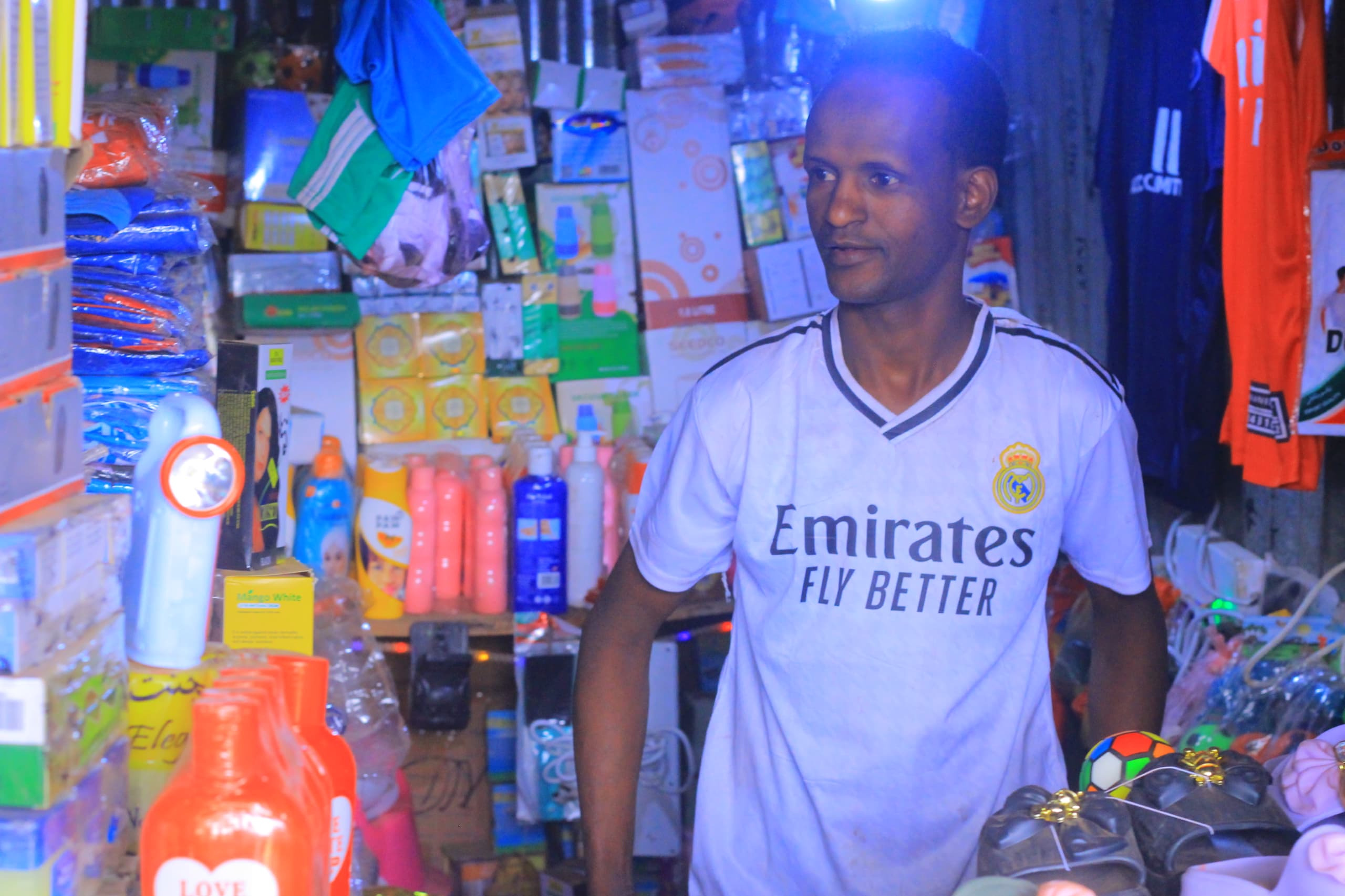
Yasin is a Somali refugee in Jijiga. Yasin was born en route as his parents fled Somalia following the collapse of the Somali government in 1991. Yasin has lived in Ethiopia since then, attending schools up to high school. After high school, many of his friends either relocated to Europe or North America. Some went to Gulf countries. After years of having nothing to do and increasing frustration, he told his father that he would like to migrate, even if it means paying traffickers. His father counseled against it. With 20,000 Ethiopian Birr ($140), Yasin started a shopkeeping business. Yasin’s business now generates 20,000 birr in sales, and he values his business’s total assets at anywhere between 1 and 3 million birr, equivalent to $7,000-$ 21,000. Yasin’s story is a testament to how inclusive refugee policy can unlock potential.
However, these data points need to be scaled to achieve the sustainable, long-term changes required to include a significant portion of the refugees. International partners, such as the World Bank, play a vital role by conditioning support on demonstrable progress in policy areas related to financial inclusion and inclusive employment.
Banks and financial institutions should, in consultation with the Ministry of Finance and the Treasury Department, expand access to financial products tailored for refugees by adjusting onboarding requirements, e.g., accepting refugee IDs as part of Know Your Customer. The World Bank and humanitarian agencies should leverage risk-sharing tools, such as Loan Guarantee Funds, to reduce perceived refugee risks, despite the limited sample size of refugee loan repayment data, which looks promising.
Delivering on the post-encampment refugee policy requires massive coordination with the Ethiopian government, from various ministries, bureaus, and federal and regional governments that host refugees. Simultaneously, the Ethiopian government must coordinate with humanitarian agencies, donors, and multilateral institutions. As a country that relies heavily on donor funding, preventing duplication of duties and ensuring efficient use of available financing are essential.
A Model for Integration: Ethiopia’s Somali Region
Due to shared ethnic, linguistic, and cultural heritage with the local population, refugees in the Somali Region have experienced greater integration, for instance, compared to those in Gambella, thanks to social and cultural solidarity. This long-standing cultural connection, historical inter-border migration, and trade have fostered de facto integration and shared social services, often bypassing formal policies. While other refugees in Ethiopia may face cultural and linguistic barriers, the Somalis and their hosts in the region share clans and a common religion, which has historically allowed community elders and local systems to resolve tensions and facilitate their inclusion in informal economies.
Undoubtedly, aid cuts in the near term pose significant challenges, even in the Somali Region. However, the region’s long-term integration of refugees, which leverages strong community ties and economic opportunities, holds tremendous promise for fostering refugee self-reliance and resilience elsewhere in Ethiopia.
Cultural-linguistic Integration
The three refugee-hosting areas in Ethiopia’s Somali Region are Doolo, Liban, and Fafan (Jijiga) zones. The camps in the Liban zone are Bokolmanyo, Buramino, Kobe, Hilaweyn, and Melkadida. The camps near Jijiga are Kebribeyah, Sheder, and Awbarre. Since an influx in 2023, the refugee hosting areas in the Doolo zone are Mirqaan and Hegalle. There are also other locations within the region in smaller numbers, including, to a limited extent, urban areas.
The Ethiopia-Somalia border is a relatively recent and permeable concept for pastoralist communities, who traditionally moved freely between these areas in search of water and pasture for their livestock. As a result, Somali refugees are often welcomed as relatives rather than strangers. The border area has long functioned as a single economic and cultural hub. Refugee camps in places like Jijiga and Liban/Melkadida have historically become integrated into the local economy, serving as vital trade centers. Refugees start microenterprises selling goods such as vegetables, meat, and other essentials within the camps and sometimes in nearby towns. Other services include offering haircuts, woodwork, and repairs. They also engage in livestock trade. They engage in these activities to supplement available humanitarian aid. Local and refugee communities share access to markets, and economic life revolves around shared resources like livestock. As a measure of how integrated the communities are, in an interview in Jijiga, one RRS official in charge of registration, who, as a child, spent his time in Somalia as an Ethiopian refugee, said that the Somali refugees in the region are so integrated that their accent is indistinguishable from that of the Ethiopian Somalis, but easily distinguishable from Somali returnees from Somalia.
Regional Government-led Formal Integration
These de facto, organic, and sometimes informal processes have been accompanied by formal policy processes that can further integration efforts. For instance, the Somali Regional Government developed the Jijiga Master Plan in 2012, an overarching urban development strategy for the city of Jijiga, the regional capital of the Somali region. Its goals are to manage and accelerate the city’s growth and transform it into a modern urban center. According to the World Bank, the project includes “a 30 km corridor development” to transform the city’s landscape and economy, a fecal sludge treatment plant, and initiatives for climate-resilient agriculture and community land planning.”
Beyond physical infrastructure, the Jijiga Master Plan includes a significant social component, such as the construction of low-cost houses. For instance, the Regional government and humanitarian actors have begun constructing affordable housing for refugees. They plan to build 875 housing units in 2026. Refugees International visited some of the houses under construction, and regional government officials said the construction is intended to ensure uniform urban development for refugees and host communities. There is no point in having good urban development for host communities surrounded by islands of inferior-quality refugee housing.
In addition to the Jijiga Masterplan, the government also developed the Kebribeyah Inclusion Road Map in May 2023. The goal of the Road Map is to transform the Kebribeyah refugee camp into a unified town where refugees and the host community have equal access to services and opportunities. The Road Map has four main pillars: Governance, Inclusive Services, Economic Opportunities, and Physical Inclusion. Key implementation steps include comprehensive assessments of existing infrastructure and services, developing inclusive urban plans that benefit everyone, and streamlining administrative processes to enable refugees to obtain national IDs and work permits. The houses built in Jijiga are part of the compensation for over 800 refugee shelters to be demolished as part of the Kabribeyah Inclusion Road Map urban expansion program.
The Jijiga Masterplan and Kabribeyah Inclusion Road Map are interconnected and part of a broader inclusive development. The Kebribeyah Road Map can be viewed as a site-specific plan for refugee inclusion that feeds into the wider urban planning and economic development strategy outlined in the Jijiga Master Plan’s framework. The success of one is intended to reinforce the other, promoting benefits for all displacement-affected communities in the area.
There is coordination between the federal and regional governments. The Presidential Advisor on livelihoods in the Somali Region Government said that refugees are included in the Jijiga region Master Plan. The plan aligns with Ethiopia’s broader 10-Year Development Plan7(2021-2030), which emphasizes sustainable development, inclusive growth, and the creation of quality infrastructure across the country.
The plan began before donor countries cut humanitarian aid, the Somali Region Advisor said; the aid cut will have a negligible impact on their continued inclusion of refugees in the plan. Another advisor, in an interview, reasoned that there is no way they can develop the city and leave pockets of refugee camps, where, in the event of a fire, for instance, an ambulance cannot access the camp or settlement due to a lack of proper road access.
The existing social cohesion and integration in the Somali Region shield the refugees from the sharp impacts of aid cuts, allowing them to earn income, access alternative food sources, or engage in informal trade. Shared services and economic ties help absorb some of the shocks caused by reduced humanitarian funding. In contrast, in Gambella, because of a lack of integration, refugees have very limited alternative livelihoods or support systems to fall back on. As a result, the impacts of aid cuts have been immediate and severe. For instance, according to MSF, the suspension of nutrition services in “four out of the seven refugee camps, [has left] around 80,000 children under the age of five at risk of life-threatening malnutrition.”
With significant refugee aid unlikely to return, sub-national governments, such as Jijiga’s inclusion of refugees in its services, can offer a promising pathway for refugees’ inclusion post-aid and post-encampment through judicious planning. Jijiga offers further proof that inclusion will cushion against the sharp consequences of the aid cut.
Refugee-Led Organizations
Despite Ethiopia’s progressive refugee proclamation, a mismatch between it and the Civic Society Proclamation prevents the adequate formalization of Refugee-Led Organizations (RLOs). This undermines RLO dynamism and excludes them from policy planning, despite them being a vital and underutilized resource for improving refugee response outcomes. By hindering RLO registration, the current policy framework stifles community-led initiatives and limits the refugee-centric insights necessary for optimal policy implementation. Arguably, the best resource for Ethiopia to improve and fill the gaps in its refugee policy is refugees themselves. Yet current policies make it difficult for refugees to organize and be included in policy planning and implementation on issues they often know best.
RLOs are vital but often underutilized partners in Ethiopia’s refugee response. RLOs understand community needs and can offer nuanced insights that larger humanitarian actors usually overlook. Their direct engagement with communities allows effective intervention. Ethiopia’s refugee policy should include refugees if it can deliver optimal outcomes for refugees and host communities.
A legal policy gap has hindered RLOs’ dynamism, resulting in fewer registrations than in Uganda and Kenya, according to an RLO expert interviewed by Refugees International in Addis Ababa. According to him, only four RLOs have been registered. The main obstacle to RLO registration, he said, is the mismatch between the Refugee Proclamation 1110/2019 and the Civic Society Proclamation. According to the Refugee Proclamation, refugees are permitted to associate and organize. However, the Civic Society Proclamation requires organizations to register as either local or international.
During crises, RLOs often act as first responders, quickly adapting to meet community needs when larger aid organizations face operational constraints. For example, during the COVID-19 pandemic, RLOs in Ethiopia stepped in to provide vital services, such as hygiene awareness campaigns and food distribution. RLOs’ capacity to innovate from within the refugee community is their key comparative advantage. The UNHCR’s Refugee-led Innovation Fund explicitly seeks to empower both registered and unregistered RLOs by providing grants, mentorship, and technical support to magnify their positive impact on communities. In February 2025, for example, the Ethio Friends Foundation for Refugees (EFFR), an Ethiopian RLO, received a grant to research economic challenges and raise legal awareness among refugees in Addis Ababa, demonstrating their role in knowledge generation and advocacy. Each organization was awarded a three-month, U.S. $5,000 innovation grant to pilot research on a focused topic that contributes to the RSRI Learning Agenda around refugee self-reliance.
To enhance Ethiopia’s refugee policy and integrate RLOs, the government should address the inconsistencies between the Refugee Proclamation and the Civic Society Proclamation to streamline RLO registration. A new accountability model should be developed with refugees and RLOs, prioritizing community accountability and establishing relevant state compliance standards.. In short, empowering and including RLOs is an effective way to kick-start broader inclusion of refugees. The Ethiopian government has developed a promising road map to do just that.
The Mekatet Road Map
Following pledges made at the 2019 Global Refugee Forum, Ethiopia moved to enact laws to improve refugee inclusion. However, a lack of coordination stymied the meaningful implementation of its refugee laws and policies. To address coordination gaps, Ethiopia has developed “Mekatet,” an Amharic term meaning “inclusion,” a national road map to integrate refugees into national systems alongside host communities. Mekatet aims to address coordination gaps between federal and regional governments, humanitarian agencies, and the affected communities, moving beyond previous systems that primarily focused on emergency response.
The existing coordination process, for instance, the interagency coordination Group, focuses on refugee response. Sectoral Working Groups complement the interagency process. However, the Government, at the federal and regional levels, is not part of this process. Their participation is limited to line ministries or bureaus, such as the labor bureau, where refugee labor-market access is involved. Neither the refugees nor the host communities are entirely part of these processes. Mekatet is thus designed to ensure coordination and coherence among the government-line ministries and respective bureaus, the regional and federal governments, humanitarian agencies, and refugee-led organizations.
Mekatet has six pillars for operationalizing refugee law and policy, focusing on capacity and system development, climate and environmental resilience, and durable solutions, among others. By involving refugees from the outset in the road map’s design, Makatet ensures that policies are grounded in the priorities of displaced communities themselves.
Under the Makatet framework, refugees can access national service delivery systems, including healthcare and education (some of which are already in place and will be far more streamlined), as host communities do, unlike in the previous model, where services were often provided through separate, parallel humanitarian systems. By integrating refugees into the national system, Makatet ensures that services such as local health facilities and schools benefit both refugees and host communities. Refugees accessing education and healthcare helps them to pursue livelihoods and contribute to the economy.
The yet-to-be-launched plan focuses on issues such as capacity and system development, climate and resilience, and durable solutions, among others. According to the secretariat spearheading the plan, broad consultations with various actors are underway. By involving refugees from the outset in the road map’s design, Makatet will ensure that policies are grounded in refugees’ priorities. However, many refugees and RLO leadership, as well as those interviewed by Refugees International, said the government has not engaged them on the roadmap’s content.
While the final Makatet Road Map has not been launched, the draft still requires further work. The critical challenge Makatet will face is the lack of donor funding. Refugees in areas like the Somali Region will fare relatively better with the aid cuts, as there is a deliberate ongoing effort to include them in the region’s development plans. Refugees elsewhere, for instance, in Gambella, where they are predominantly from South Sudan, or even urban refugees, will be struck by the donor aid cuts.
Implementing Ethiopia’s progressive refugee inclusion policies hinges on overcoming coordination and insufficient funding. The Mekatet road map aims to bridge these gaps by creating inclusive mechanisms and integrating refugees into national systems. Its success, however, depends on strengthening stakeholder participation and diversifying funding to ensure equitable implementation and foster sustainable outcomes for both refugees and host communities.
Conclusion
Building on the progressive 2019 Refugee Proclamation and Directive No. 1019/2024, Ethiopia’s path toward refugee self-reliance hinges on the sustainable implementation of the laws and policies. As part of the implementation, Ethiopian authorities should decentralize RRS’s powers to the regional governments hosting refugees. Given the decline in international aid, this localized and integrated approach pursued by the Somali Region government is essential. For their part, donors and multilateral institutions should tie their continued support to demonstrable progress on refugee policy.
Endnotes
[1] In Ethiopian law, a proclamation is a primary and formal piece of legislation passed by the federal or a state legislative body. Proclamations are the highest form of statutory law in the country, second only to the Constitution. They are used to enact, amend, or repeal laws that govern a wide range of issues.
[2] Fayda is an Amharic term referring to ‘value’ or ‘importance.’
[3] Fayda is an ID system, which is part of Modern Ethiopian Service for Organized Benefits that enables citizens to validate and access 41 essential services across 12 federal institutions through a single interface. https://www.codevelop.fund/news-desk/how-fayda-digital-id-powers-ethiopias-ambitious-one-stop-government-service-platform
[4] Ethiopia is a federal republic based on ethnic federalism. The two primary instruments of governance are the ministries and bureaus. Ministries operate at the federal level and manage national policy, while bureaus function at the regional level to implement policy and administer local services.
[5] A World Bank study in Uganda shows the positive outcomes of integrating services for refugees and hosts. https://blogs.worldbank.org/en/water/-pioneering-sustainable-water-services-in-uganda–a-model-for-re
[6] The principle of most favorable treatment means refugees and asylum seekers have the right to engage in various forms of work and business, including agriculture, industry, small and micro-enterprises, handicrafts, and commerce.
[7] The plan “outlines the country’s vision, objectives, and strategic pillars for sustainable development. It addresses economic, social, administrative, and institutional challenges through homegrown reforms and policies.” https://nepad-aws.assyst-uc.com/agenda2063-national-development-plan/ten-years-development-plan-pathway-prosperity
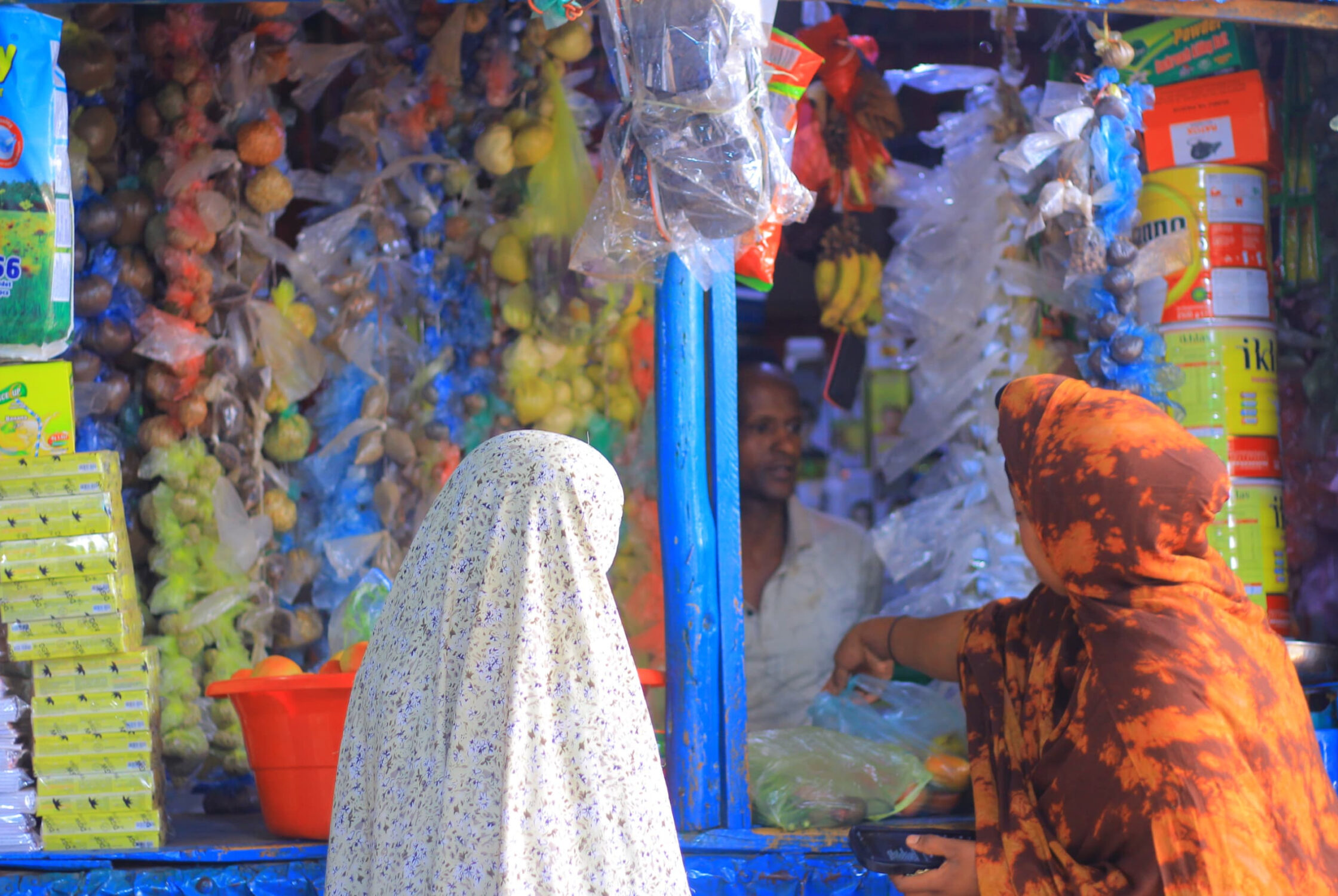
Featured Image: Yasin, a Somali refugee, speaks with customers at his shop in Kabribayah refugee settlement, in Jijiga, Ethiopia. Photo by Farhan Mohamed Hajji for Refugees International.