Lost in Villahermosa: Stories of People Stranded without Status or Support
Refugees International traveled to Villahermosa in November 2025 to speak directly with migrants and asylum seekers in Mexico about their experiences and needs in order to better understand opportunities for advocacy. These are some of their stories.
Since January 20, 2025, the Trump administration has deported almost 12,000 people from Cuba, El Salvador, Guatemala, Haiti, Honduras, Nicaragua and Venezuela to Mexico. These deportations of third country nationals have been conducted informally and suddenly – leaving people separated from their relatives and stranded without their possessions.
Once over the land border into Mexico, they lack any legal status and are unable to access services or work. The Mexican immigration authorities bus them south to Villahermosa, Tabasco.
A city of about a million people, Villahermosa has not traditionally been a major transit or destination city for migrants – and only has one migrant shelter available for single individuals.
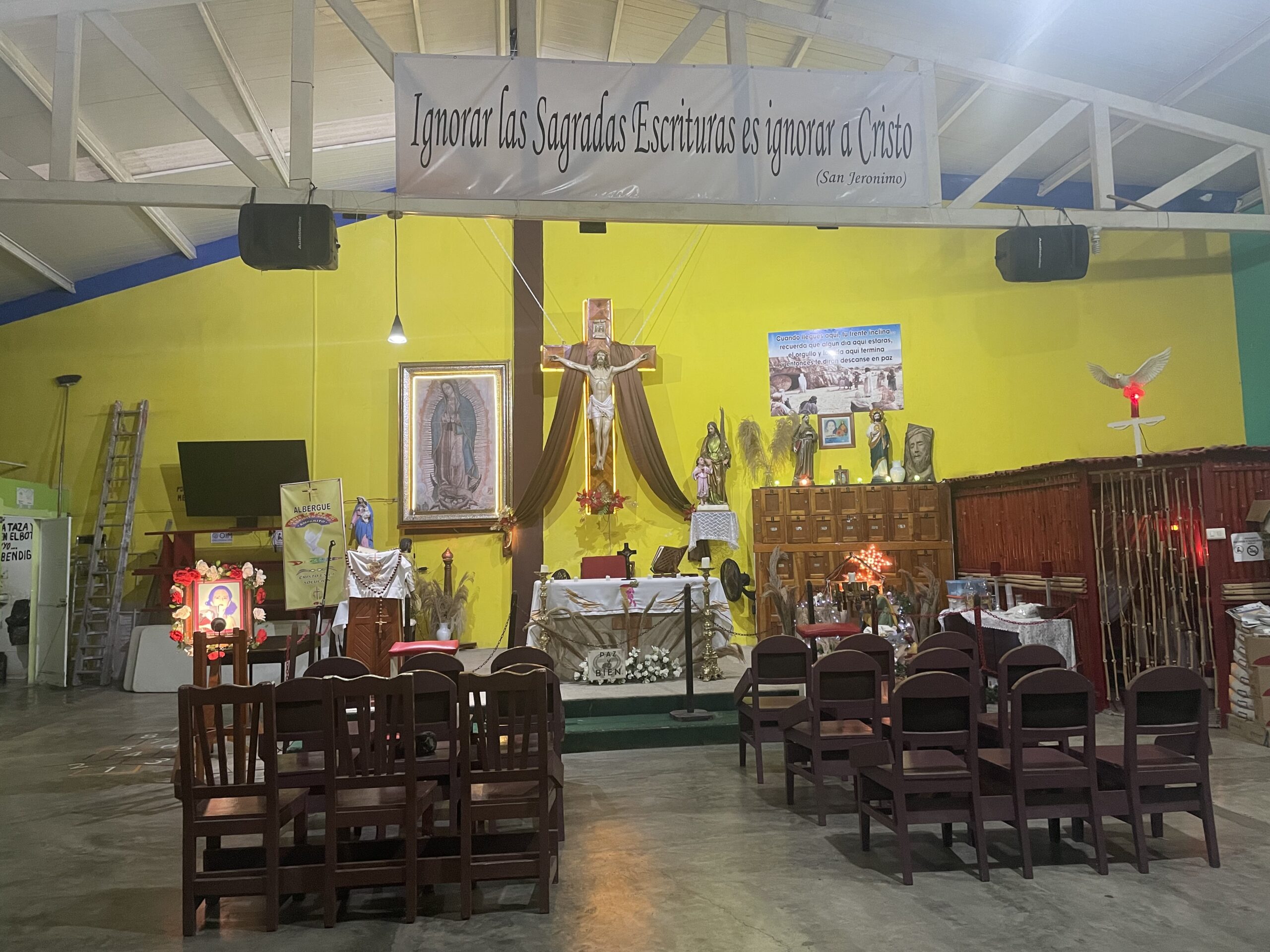
In 2023 and 2024, thousands of migrants were first bussed to Villahermosa as part of an effort by Mexican authorities – under pressure from the U.S. government – to keep migrants away from the U.S. southern border. At that time, almost all migrants in Villahermosa registered for appointments through the CBP One application to enter the United States to seek asylum.
When the Trump administration canceled all CBP One appointments on January 20, many people waiting for their appointments were left stranded.
Most of the shelter population is different now: not young migrants headed north, but people who lived in the United States for decades and were suddenly deported to Mexico—a place they have no ties to and many have never even visited.
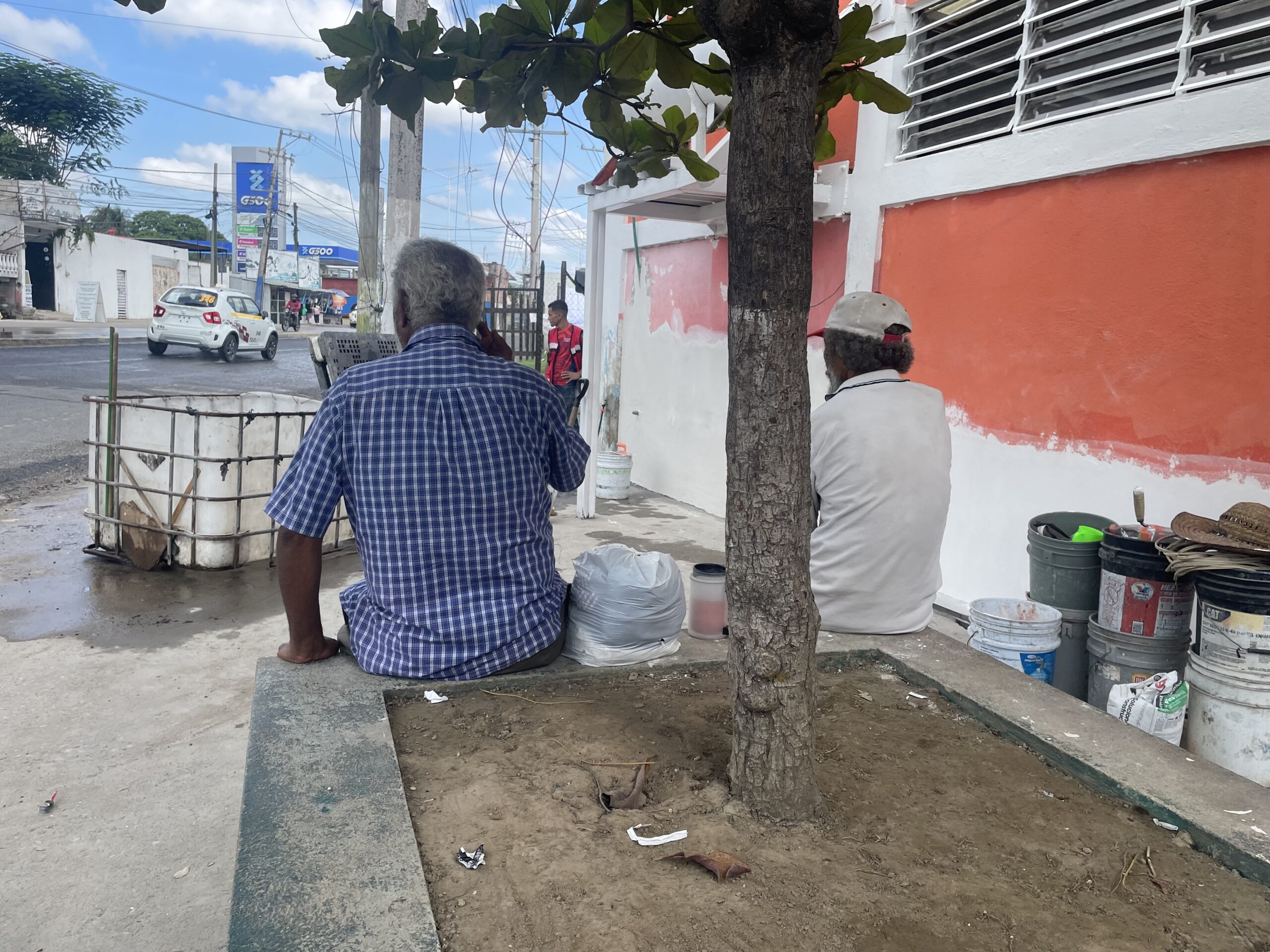
Raul is a 72-year-old Cuban man who came to the United States in 1980 during the Mariel boatlift. He suffers from dizziness and memory loss from a brain injury. He was deported without his phone and cannot remember the phone numbers of his three children to let them know where he is. He has not had contact with them in over a month.
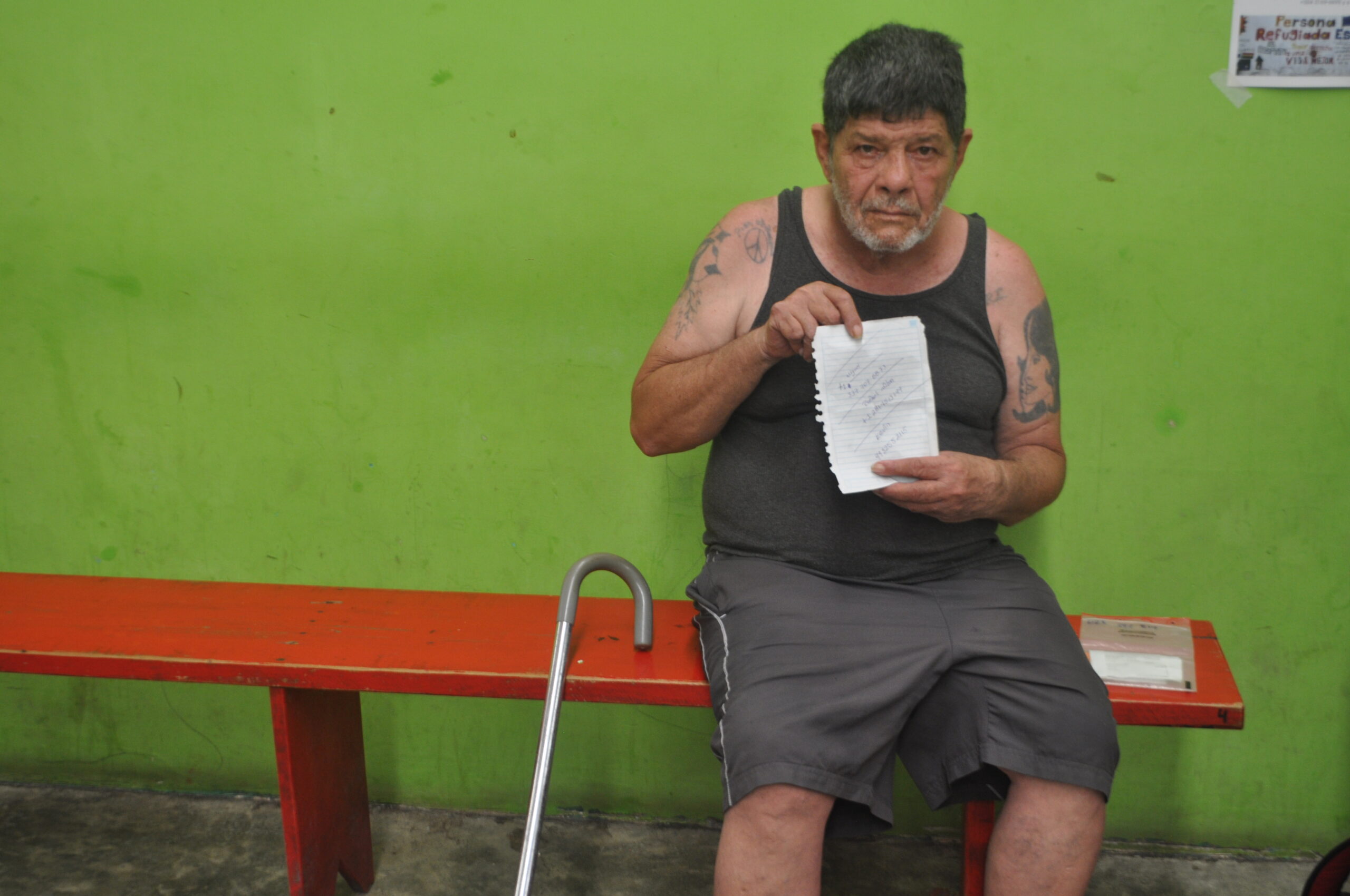
Many people are deported without property or identification.
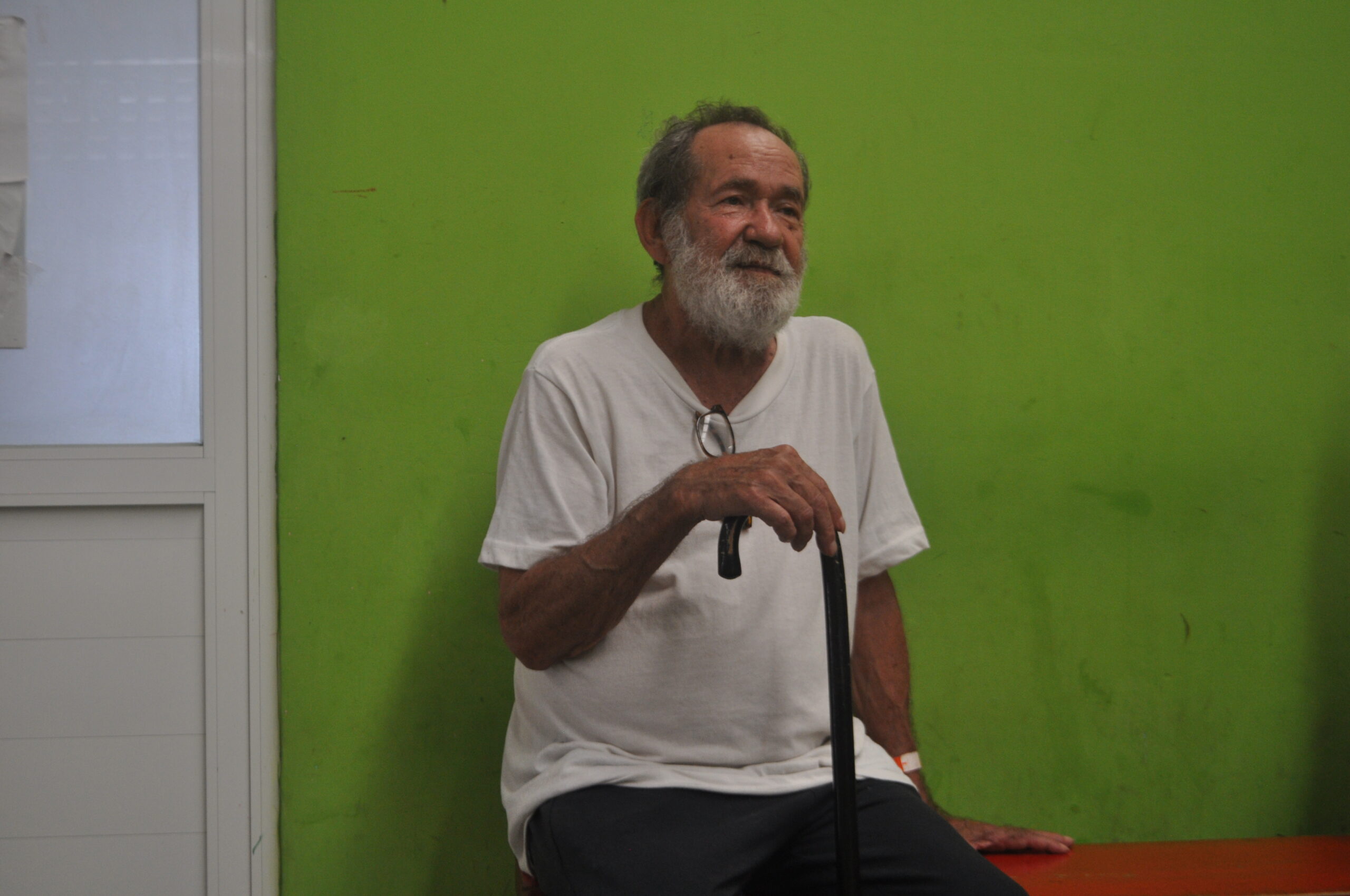
One Cuban man in his late sixties had lived in the United States for more than 40 years before he was deported to Mexico this year. U.S. authorities took his belongings – including his phone, wheelchair, and identity documents – away from him before he was deported. His cane and a piece of paper with three phone numbers are his sole possessions. He struggles to walk, limiting his ability to access healthcare or find work in Mexico.
Some people in the shelter were seeking asylum in Mexico, especially since access to asylum in the United States has been cut off.
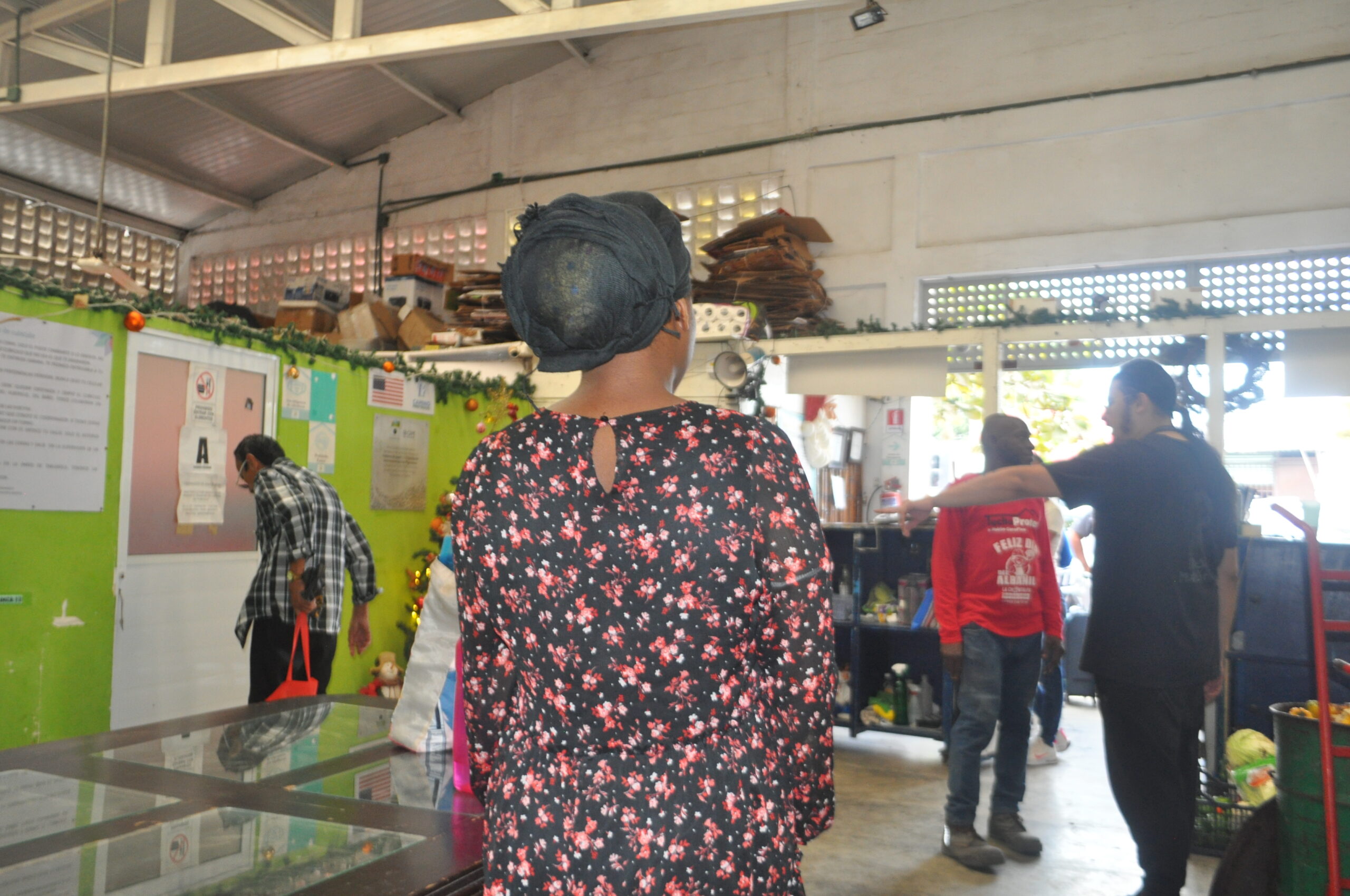
Josefina is a Ghanaian asylum seeker who fled her country due to persecution based on her gender identity and sexual abuse by her uncle. She does not speak Spanish or have anywhere to live while she applies for asylum in Mexico. She hopes that she will be able to bring her children to Mexico once she is granted asylum there.
Despite the growing need for protection in Mexico, seeking asylum there has become increasingly difficult.
Cuts to U.S. foreign assistance have reduced the capacity of COMAR, the Mexican refugee agency, and led to a backlog of over 70,000 asylum claims. Few can successfully apply without legal representation, which is difficult to obtain as many legal service organizations have lost funding.
Typically, asylum seekers wait six to eight months for an initial screening and lack access to formal work, housing, and other services while they wait.
It is crucial that the United States restart asylum processing at U.S. ports of entry and follow protocols regarding deportation to Mexico, including advanced notice and ensuring deportees have their documents and property.
The Mexican government must also take steps to hire more personnel for its refugee agency and improve its reception practices, especially for high-risk or vulnerable populations.