Detained and Deported: Nicaraguan Political Exiles Face Renewed Persecution in the United States
Dissidents, journalists, artists, and human rights defenders who were subjected to political persecution in Nicaragua are now facing detention in the United States and deportation to harm because of increasingly restrictive immigration policies and narrowing access to protection.
Especially since its violent crackdown on mass peaceful protests in 2018, the government of Daniel Ortega in Nicaragua has brutally forced closure of organizations, arbitrarily detained critics, and used harassment and false criminal charges to silence dissent.
For people who have already survived political imprisonment, torture, forced exile – or the killing of family members – the threat of detention and deportation risks reviving the very abuses they fled in Nicaragua.
What is happening?
Recent U.S. immigration policy changes – including the termination of humanitarian parole programs and DHS enforcement operations – have led to the detention of Nicaraguan political exiles, including at traffic stops, immigration court appointments, or check-ins with authorities.
Individuals with strong asylum claims are also being denied fair hearings, and immigration judges are ordering their removal to third countries.
Some of the exiles now at risk were formerly supported and welcomed by the U.S. government to find safety.
In February 2023, the government of Daniel Ortega expelled and stripped nationality from 222 political prisoners – including journalists, activists, and opposition figures. The U.S. government paid for a charter plane to bring them to Washington, DC, where each person in the group was granted two-year humanitarian parole.
According to U.S. officials, the operation, known as Nica Welcome, cost the U.S. government around $1 million: it covered not only the charter flight but also some initial support to help people get settled.
Nearly three years later, some of these formerly welcomed exiles face detention and deportation from the United States.
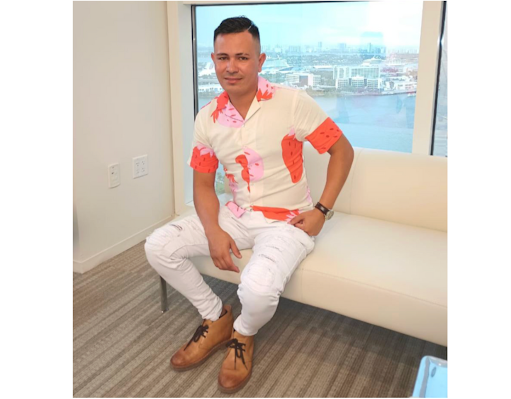
Marlon Antonio Narváez drove a taxi and then worked at a factory in Managua. Like many other Nicaraguans, Marlon joined protests against the Ortega regime in 2018 and was arrested. Marlon was arrested for a second time on July 15, 2020, just four days before Nicaragua’s July 19 celebrations, a national day of support for Ortega commemorating the overthrow of the dictatorship of Anastasio Somoza in 1979 by the Sandinista guerrilla movement.
He was detained in Nicaragua’s La Modelo Penitentiary System until he came to the United States with 221 other former political prisoners as part of Nica Welcome. He applied for asylum in November in 2024 – but was detained by ICE in October 2025. He hoped for release so that he could leave for Spain, but was told he would be deported to Ecuador – a country where Marlon has no family or support network.
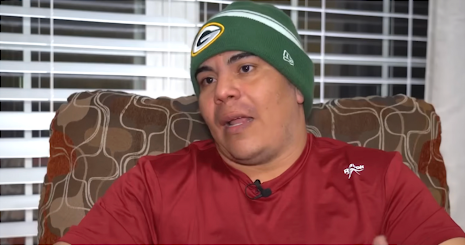
Juan Barilla is a former member of the Nicaraguan Peasant Movement who spent 29 months as a political prisoner before entering the United States with the others in Nica Welcome.
After arriving in the United States, he found a job and moved to Louisiana. He was arrested there in April 2025, held in jail, and then transferred to ICE custody. During his last court hearing in October 2025, he was ordered removed to Honduras, where he was deported in November.
Now living near Nicaragua’s border, Barilla fears his persecutors will reach him. He told La Prensa:
“Our persecutors do not operate only at the national level—repression has become transnational. Honduras is very close to Nicaragua, and of course there is a real risk that they could try to harm me. I fear that I could be killed here.”
The fact that individuals whom the United States previously granted protection are now facing detention and deportation is deeply concerning.
Another endangered Nicaraguan exile (not among those who came to the United States through Nica Welcome), is Yadira Córdoba.
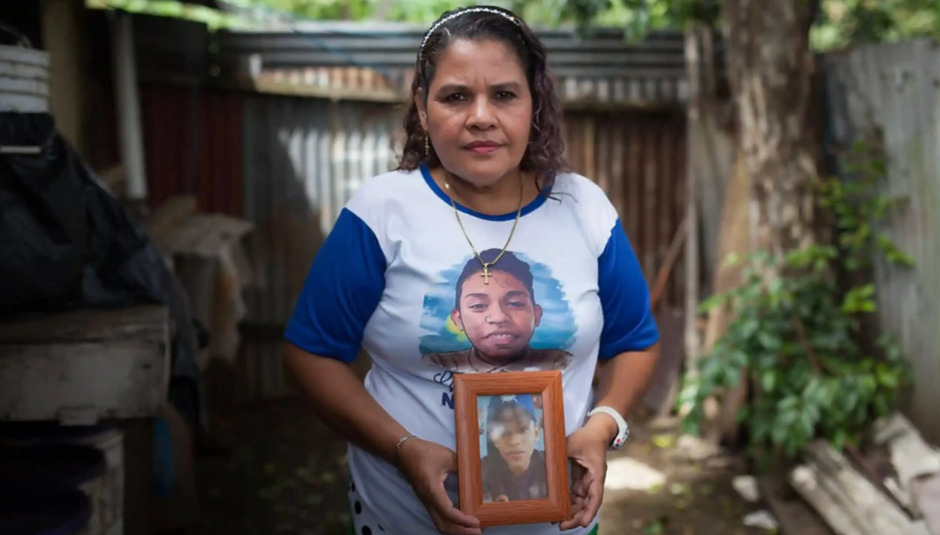
Yadira is a Nicaraguan activist and member of Asociación Madres de Abril. Yadira fled Nicaragua after publicly demanding justice for her son, who was killed by state forces during the 2018 protests.
She was detained in Texas in August 2025 and ordered deported to Honduras, which initially refused to accept her. Despite her scheduled deportation, she remains in detention, and ICE has provided no explanation to her family. Yadira has suffered emotionally in detention, and deportation will tear her family apart and put her at risk once again.
Her son, Ronald Aguirre, described the situation as deeply unjust in an interview with La Prensa:
“We are the ones who need refuge and safety. We are not the ones who harmed Nicaragua—we did not kill, we did not separate families; that was done by the regime (…) It is deeply distressing that my mother has gone through this.”
Detention and deportation in these cases risk revictimization, compounding past trauma. For survivors of state repression, immigration detention itself can become another form of punishment. Removing individuals to third countries without rigorous assessment and support exposes them to renewed persecution, precarity, and insecurity.
These practices also raise serious concerns under the principle of non-refoulement, a binding norm of international law that prohibits returning anyone seeking protection to a place where their lives and liberty are at risk. Enshrined in the 1951 Refugee Convention and the American Convention on Human Rights (Article 22.8), non-refoulement applies regardless of formal refugee status and forbids both direct and “chain” removals. The Inter-American Commission on Human Rights and United Nations human rights experts have repeatedly stressed that any expulsion without an individualized risk assessment violates this core protection and undermines the right to seek asylum.
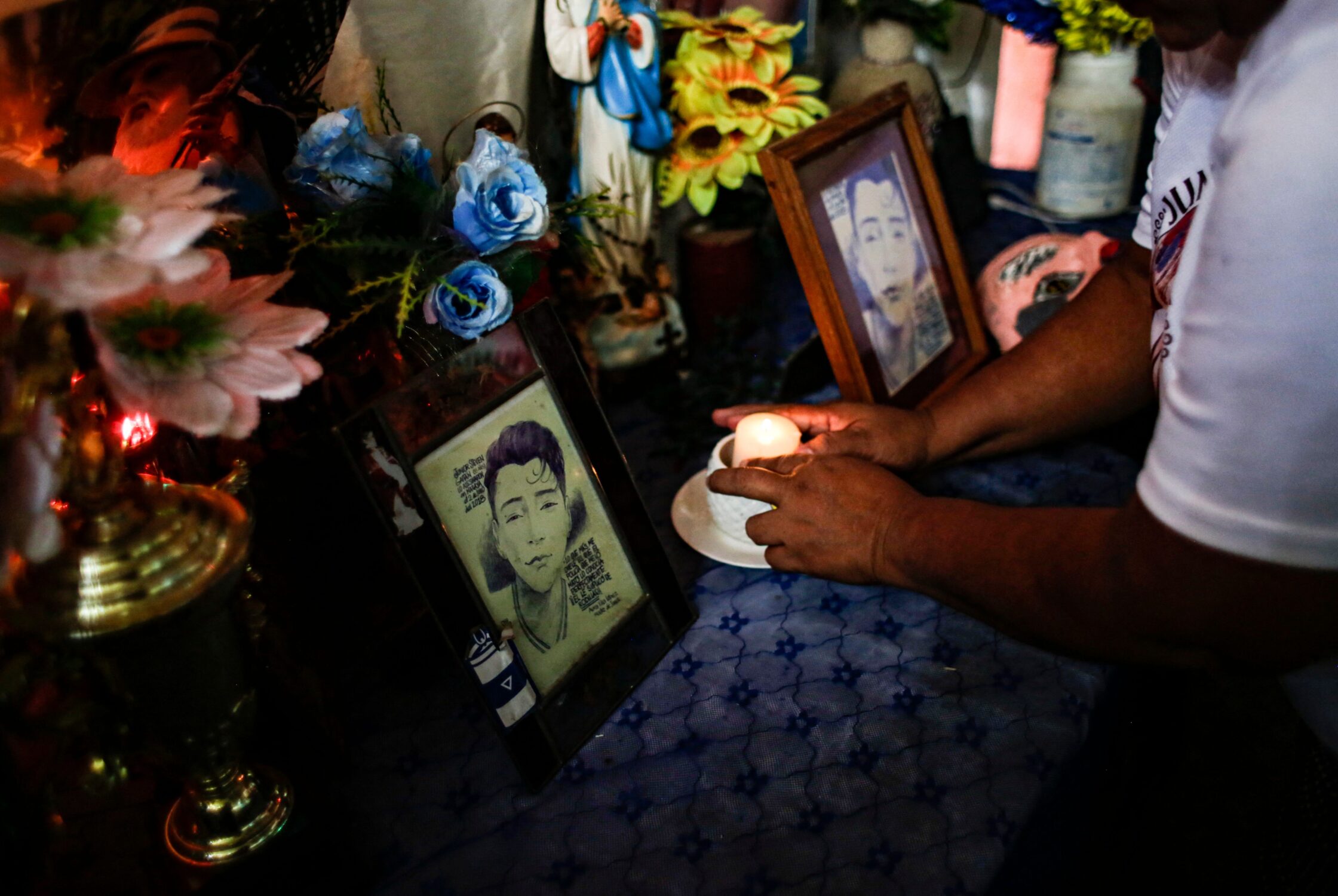
Featured Image: Aura Lila Lopez, mother of Junior Gaitan, who was shot during protests against Nicaraguan president Daniel Ortega’s government in June 2018, lights a candle for his son’s altar. Photo by Oswaldo Rivas/AFP via Getty Images.