Yael Schacher is the director for the Americas and Europe at Refugees International. Prior to joining Refugees International, Yael researched the relationship between immigration and refugee policy for her forthcoming book on the history of asylum in the U.S. since the late nineteenth century. She taught at the University of Connecticut and lectured on immigration history and refugee policy at Harvard Law School, the University of Minnesota, Catholic University of Eichstaett-Ingolstadt and numerous academic conferences and public forums. While teaching at UConn, Yael helped with asylum and humanitarian visa cases at the Connecticut Institute for Refugees and Immigrants. While a postdoctoral fellow at the University of Texas at Austin just before starting at Refugees International, Yael combined historical research on asylum and advocacy on behalf of asylum seekers (with the law school’s immigration clinic and with the organization Justice for Our Neighbors).
Yael has an M.A. in History and a Ph.D. in American Studies from Harvard University and a B.A. in literature from Columbia University.
Publications by the Author
The United States is deporting thousands of third country nationals to Mexico using coercive tactics, including enforced disappearances.
The move is historically unprecedented and based on false and hateful distortions of both refugees and U.S. law.
Read the latest on policy, litigation, and Congressional activity impacting parole, as well as inspiring stories from people on parole and their communities.
This explainer shares critical information and updates for people with humanitarian parole.
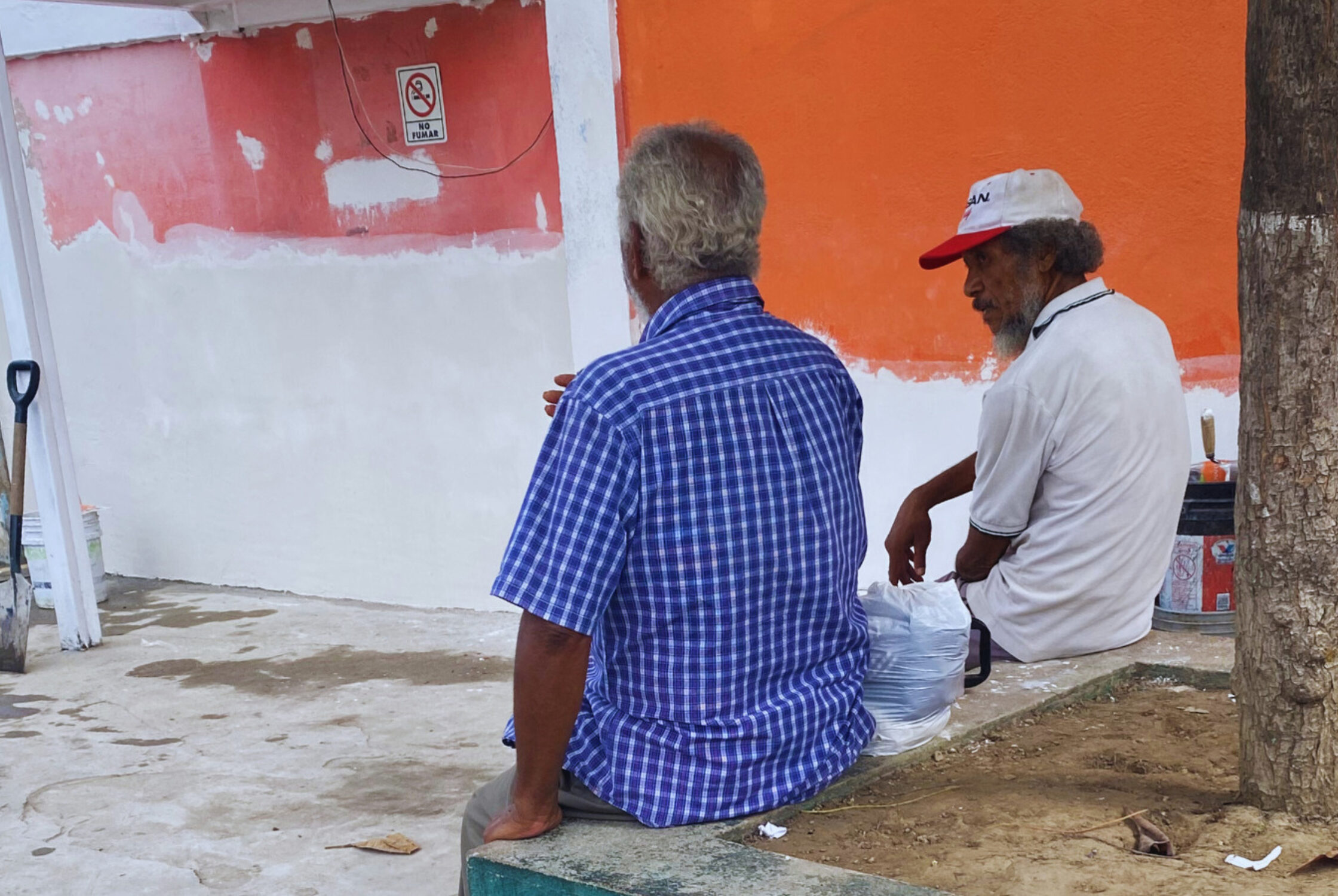
We spoke with migrants and asylum seekers stranded in Villahermosa, Mexico.
This is a monthly newsletter about humanitarian parole and policy changes impacting people who entered the United States on parole and their supporters.
This is a monthly newsletter about humanitarian parole and policy changes impacting people who entered the United States on parole and their supporters.
This is a monthly newsletter about humanitarian parole and policy changes impacting people who entered the United States on parole and their supporters.
Enacting changes suggested by the U.S. would restrict sovereign law and policymaking; weaken global burden-sharing; and increase harm for refugees.
This is a monthly newsletter about humanitarian parole and policy changes impacting people who entered the United States on parole and their supporters.