No Real Refuge: Sudanese Refugees in Chad
The war in Sudan is a war on civilians.
Mothers seeing their own children shot. Teachers fleeing with nothing but the clothes on their backs. Nurses are struggling to find food for their families between days-long shifts.
This is the human cost of the nearly three-year war between the Sudanese Armed Forces (SAF) and the Rapid Support Forces (RSF) – a conflict that has forced some 12 million people from their homes and created one of the world’s most severe displacement crises.
Both main warring parties have committed atrocities, and the RSF, a powerful paramilitary force, has led a campaign of mass killing, sexual violence, and ethnic cleansing in Darfur – actions the United States has determined constitute genocide.
In December 2025, Refugees International visited eastern Chad, where thousands of people fleeing Sudan’s western Darfur region have sought refuge. Many endured unspeakable harm at the hands of the RSF while attempting to escape.
Now, U.S. and international cuts to humanitarian assistance have kneecapped the response for refugees in Chad. Mothers struggle to find their children’s next meal, let alone access the medical and psycho-social care needed to survive and heal.
Sudanese refugees who fled one catastrophe have found themselves at the center of another – in both cases driven by geopolitical decisions far beyond their control.
What follows is firsthand testimony from people who survived the fall of El Fasher and the journey out of Sudan.
The Flight from El Fasher
Following a brutal, eighteen-month siege, El Fasher, the capital of North Darfur, fell to the RSF in October 2025. The siege had already tipped the city into famine, leaving civilians on the brink. Since taking over, the RSF has engaged in widespread and systematic mass killings, corroborated by testimony survivors shared with Refugees International.
Since RSF does not allow men of a certain age to leave, the majority of refugees in Chad are women and children. Men and boys have been separated from women and girls and summarily executed. Those who have managed to escape have experienced coercion, searches, extortion, threats, and extreme sexual and physical violence along the way.
Their testimonies provide a snapshot of RSF cruelty – and highlight the culpability of external countries like the United Arab Emirates (UAE) that are supporting their campaign of terror.
Ikhlas Abd-Rahman Hajar Yusuf
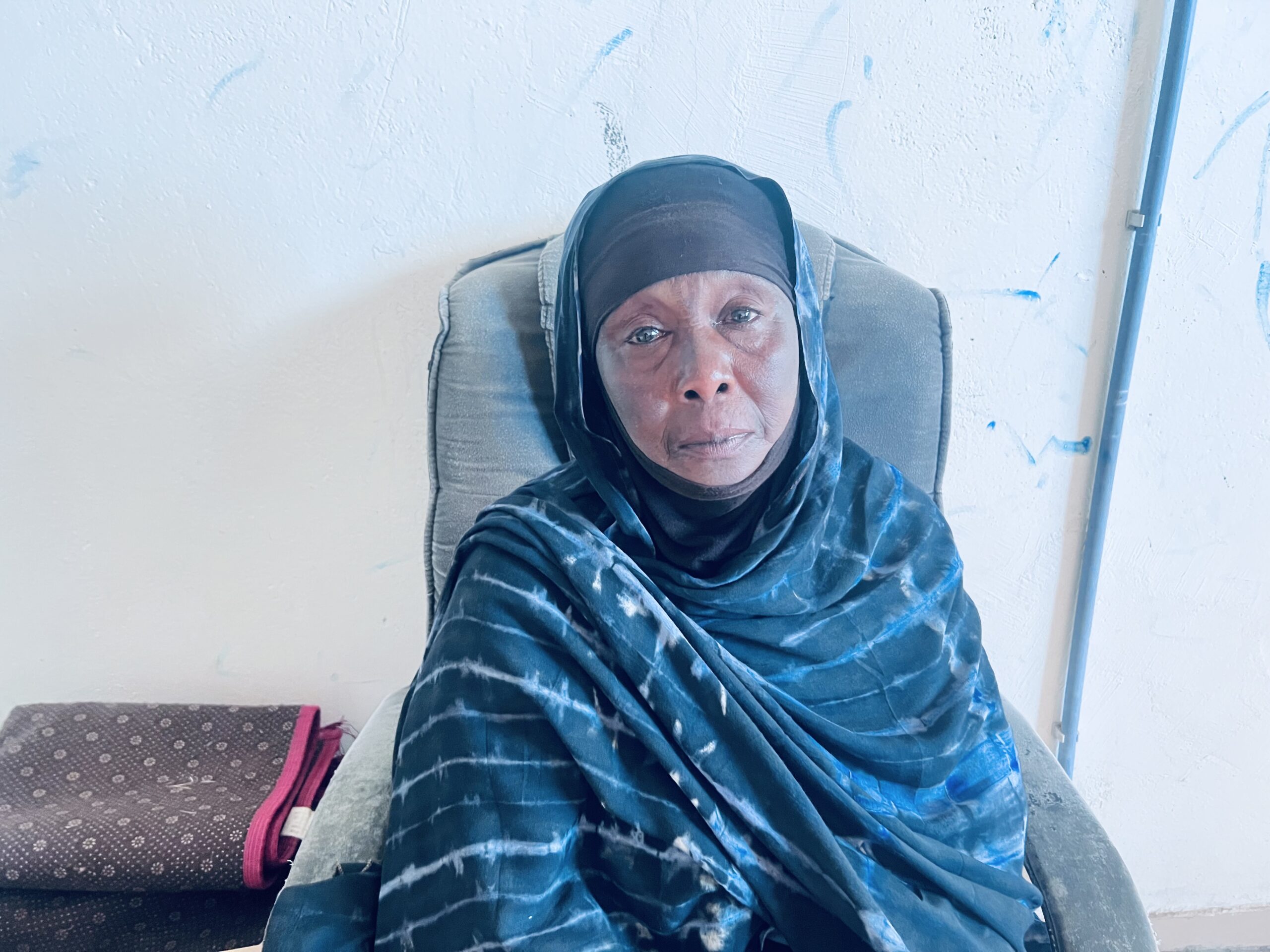
Ikhlas Abd-Rahman Hajar Yusuf, 41, worked as a high school teacher and proudly holds a master’s degree in accounting. She never had children of her own, and a loveless marriage to an abusive husband ended in divorce in 2023. But she did have her education, a knack for numbers, and big dreams: she wanted to pursue a PhD and eventually work in a bank. But the war consumed everything. In 2023, the RSF killed her mother, her father, and her brother. She knew she needed to flee for her life.
She told Refugees International that the RSF stopped her and others at a roadblock as they were trying to reach Chad. She was raped for eight days until friends paid a bribe to the RSF via a mobile transfer, allowing for her release.
She finally reached the Sudan–Chad border after fourteen days. Injuries from the RSF assault left her with a limp – and broken dreams. The RSF ransacked and destroyed her belongings, including the university diplomas she carried.
“I don’t have parents, I don’t have kids, and I now have nothing to show for my education, since RSF tore my certificates.”
Mohamed Adam
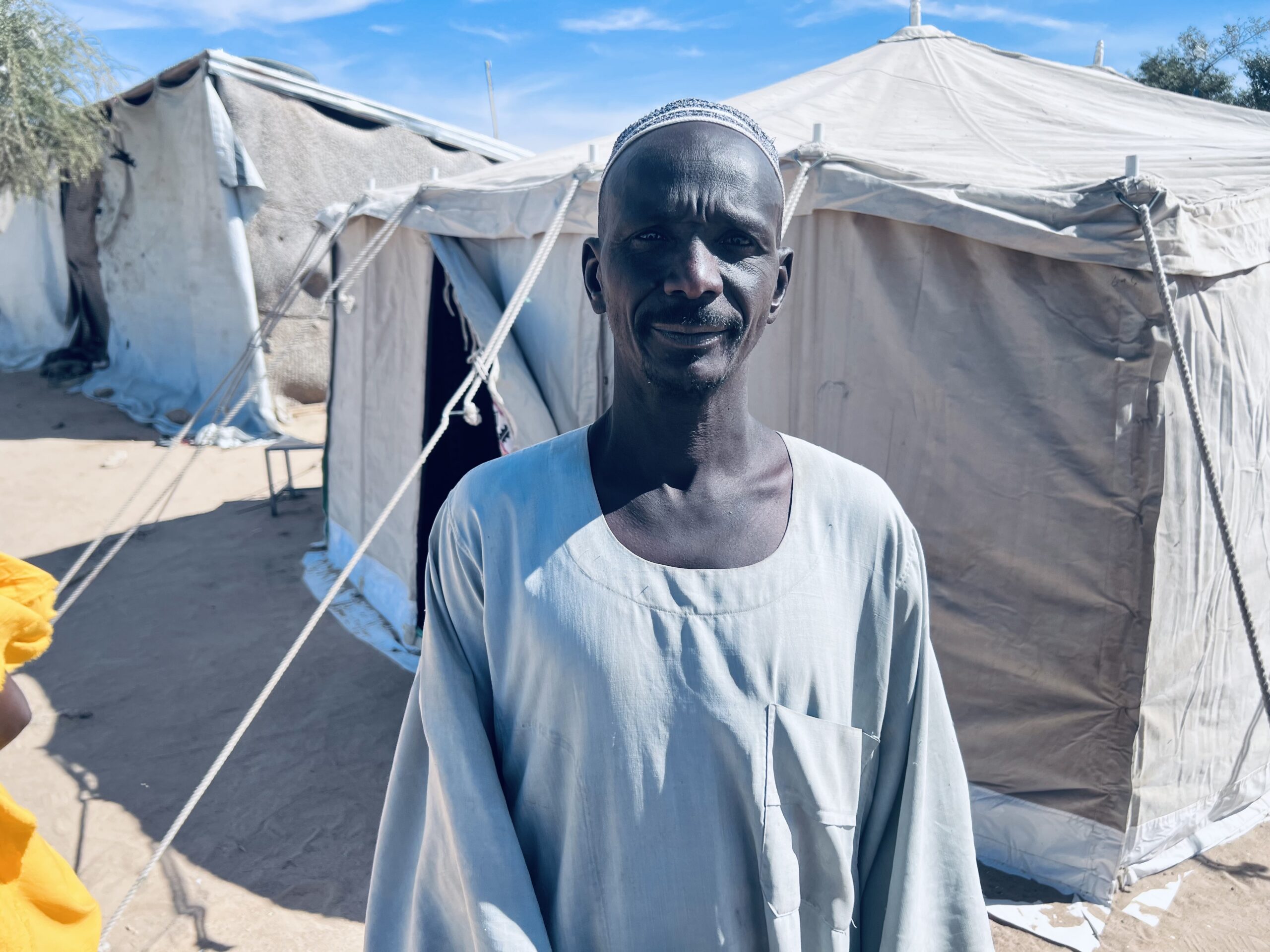
Mohamed Adam, 56, fled El Fasher with his family when it fell to the RSF. At one point during the ten-day journey, his thirteen-year-old daughter was carrying his one-and-a-half-year-old son. The RSF shot and killed them both.
“I asked RSF for the bodies of my children, and they threatened me. One of the worst feelings is that I did not give my children the last final rites. As a dad, that haunts me.”
Suhaiba Ali Zakariyah
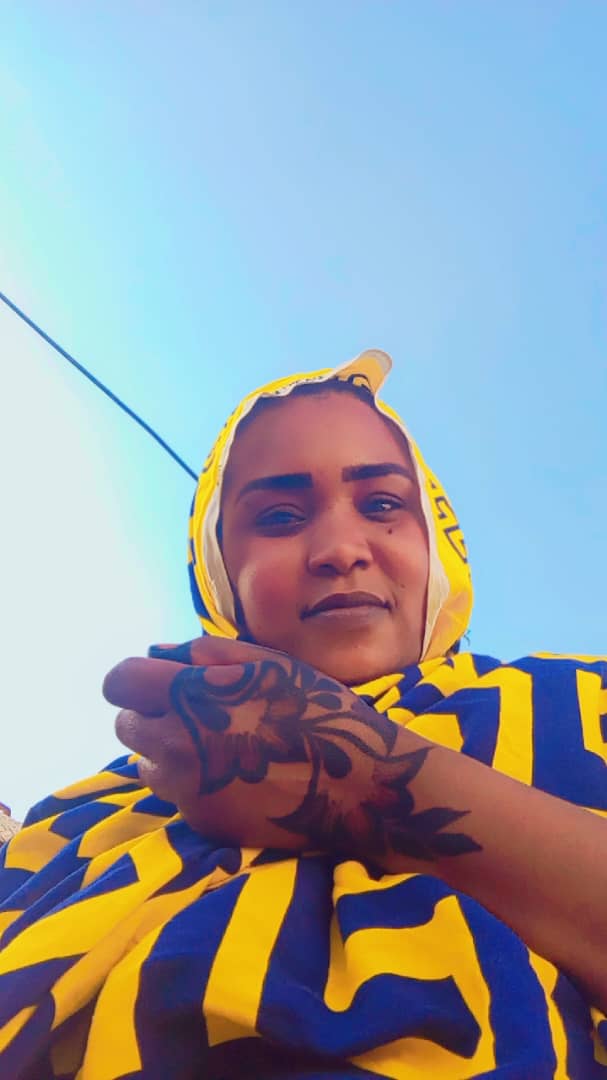
Suhaiba Ali Zakariyah, 32, is a mother of four and worked as an Arabic tutor in El Fasher. She fled to Chad on foot for thirteen days, mostly in the evenings, to avoid RSF detection. The journey was grueling, and her 64-year-old mother died along the way. She was separated from her husband as they fled, and she has not heard from him since.
“The kids, especially the 11-year-old, constantly ask about their father. I always tell them he is traveling, and he will come home soon. I miss my husband. Every time he would come home, the kids would run to hug him, calling ‘baba! baba!’”
No Refuge in Chad
After surviving RSF brutality and arriving in eastern Chad, Sudanese refugees have to contend with a devastating lack of adequate services, health, education, and shelter in camps – exacerbated by U.S. and international cuts to humanitarian assistance.
As of September 2025, more than 1.2 million displaced people have sought refuge in eastern Chad, adding to more than 400,000 Sudanese refugees who were there before the current crisis – and straining already stretched services.
Mothers worry about finding their children’s next meal. Water is scarce. Teachers in the camps were not paid in 2025.
Hannan Mohamed-Din Abubakr
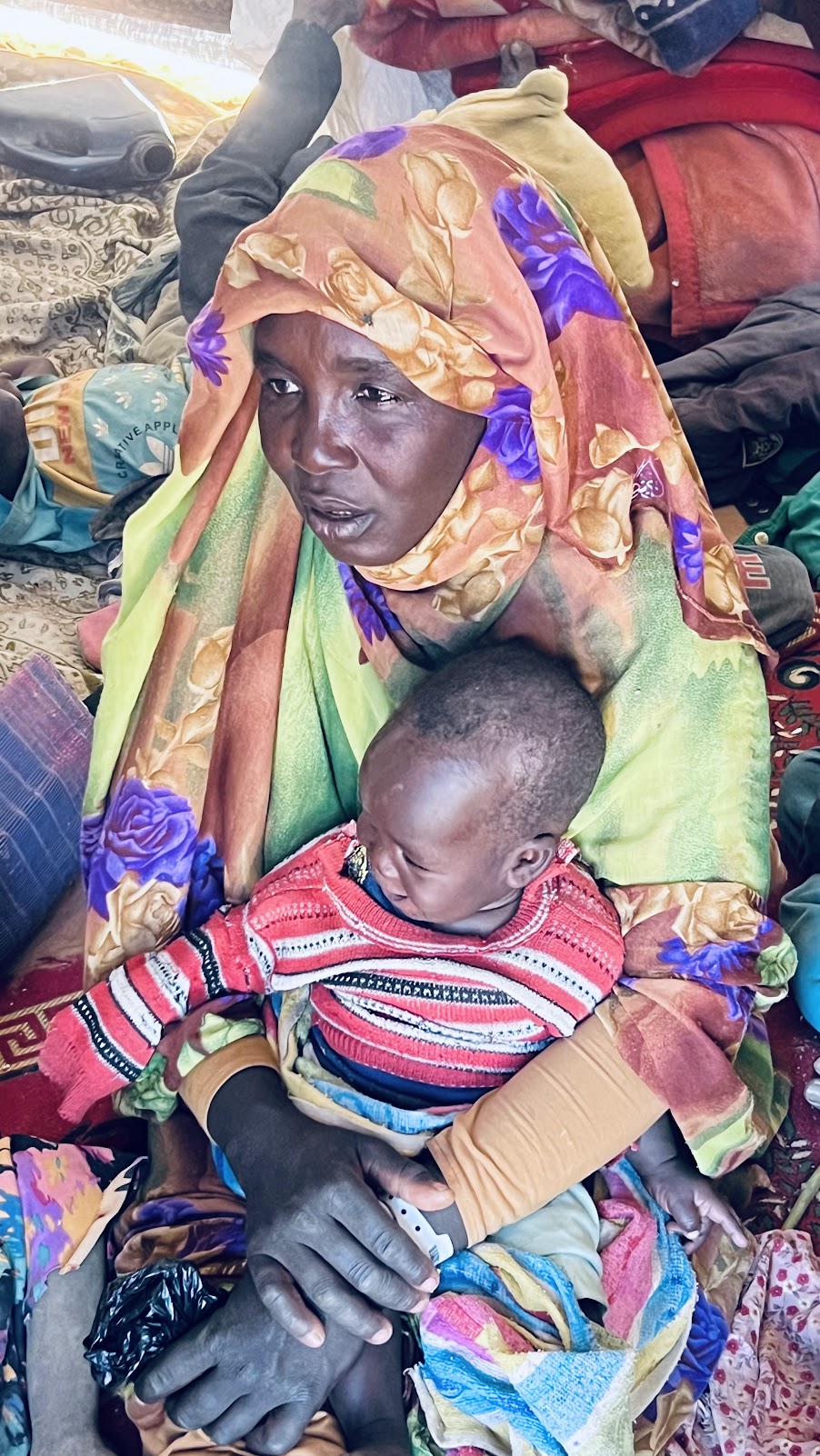
Hannan Mohamed-Din Abubakr, 40, is a mother of four from El Fasher. She initially escaped to Melit, a nearby town. She has not heard from her husband, who stayed behind in El Fasher since the city fell to the RSF.
Her extended family of 14 is sharing a cramped 10-by-13-foot shelter in a camp in Chad. Three of her daughters have a skin condition that requires treatment, and her sister’s daughter has an eye infection. Since arriving, they have not received any medical support.
“The kids have not eaten since yesterday. I borrowed water from the neighbor and prepared tea. That is all. I don’t know when I will get the next food for the children.”
Ashta Musah Adam
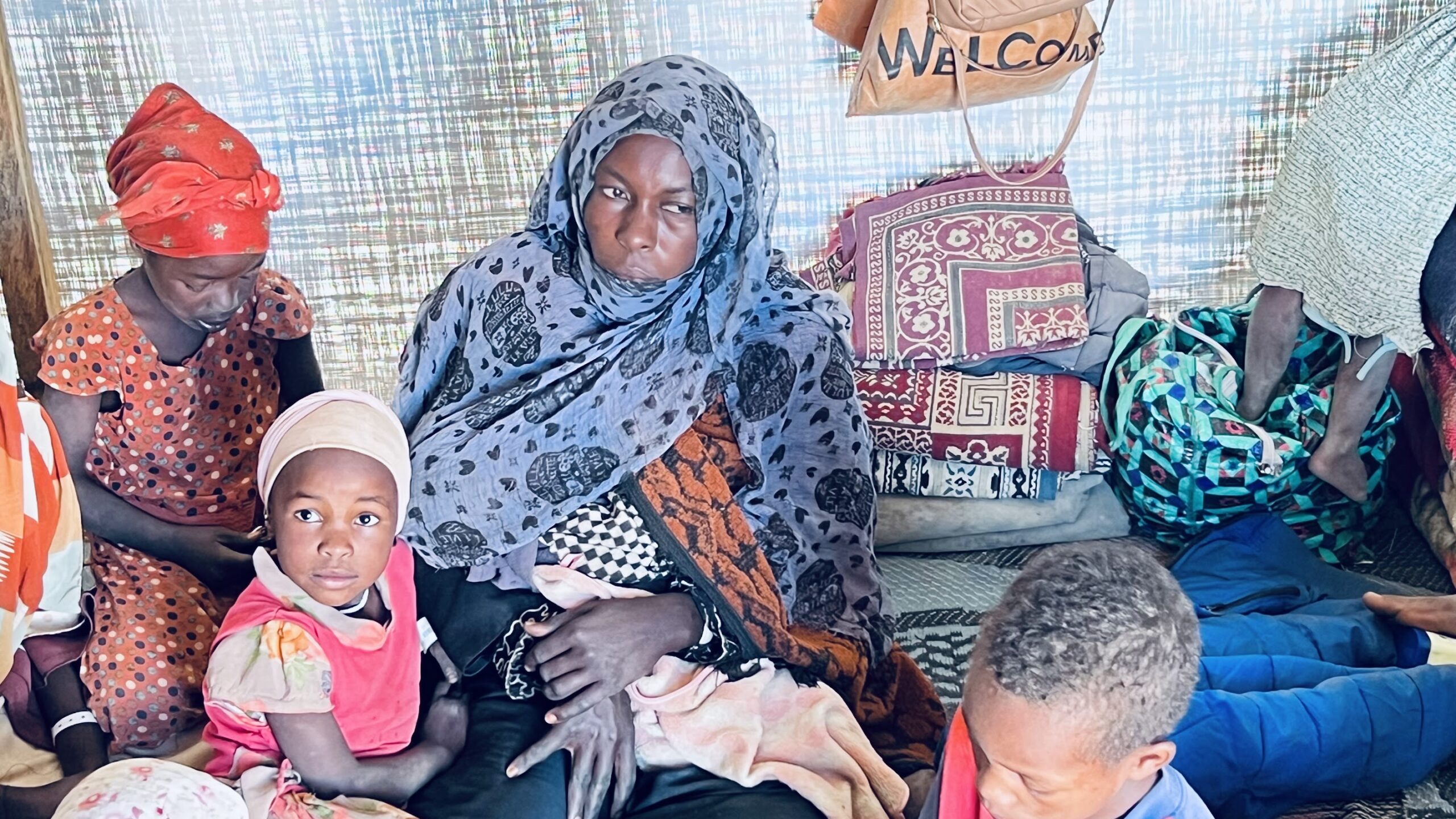
Ashta Musah Adam, 42, is a mother of eight. She was just barely able to pay for transport for her and her children to flee, making the difficult choice to leave her husband behind because they did not have enough money for him to join.
Now in a camp in Chad, she, her mother, her eight children, and her sister’s eight children – 18 people in total – are living in the same small shelter. They do not have any of their belongings. She shared her testimony with Refugees International over the cries of her hungry children.
“The kids, the youngest of whom is eight months and breastfeeding, have not had a proper meal. I only gave them some tomatoes and a cup of tea.”
Omar Yusuf Fadhil
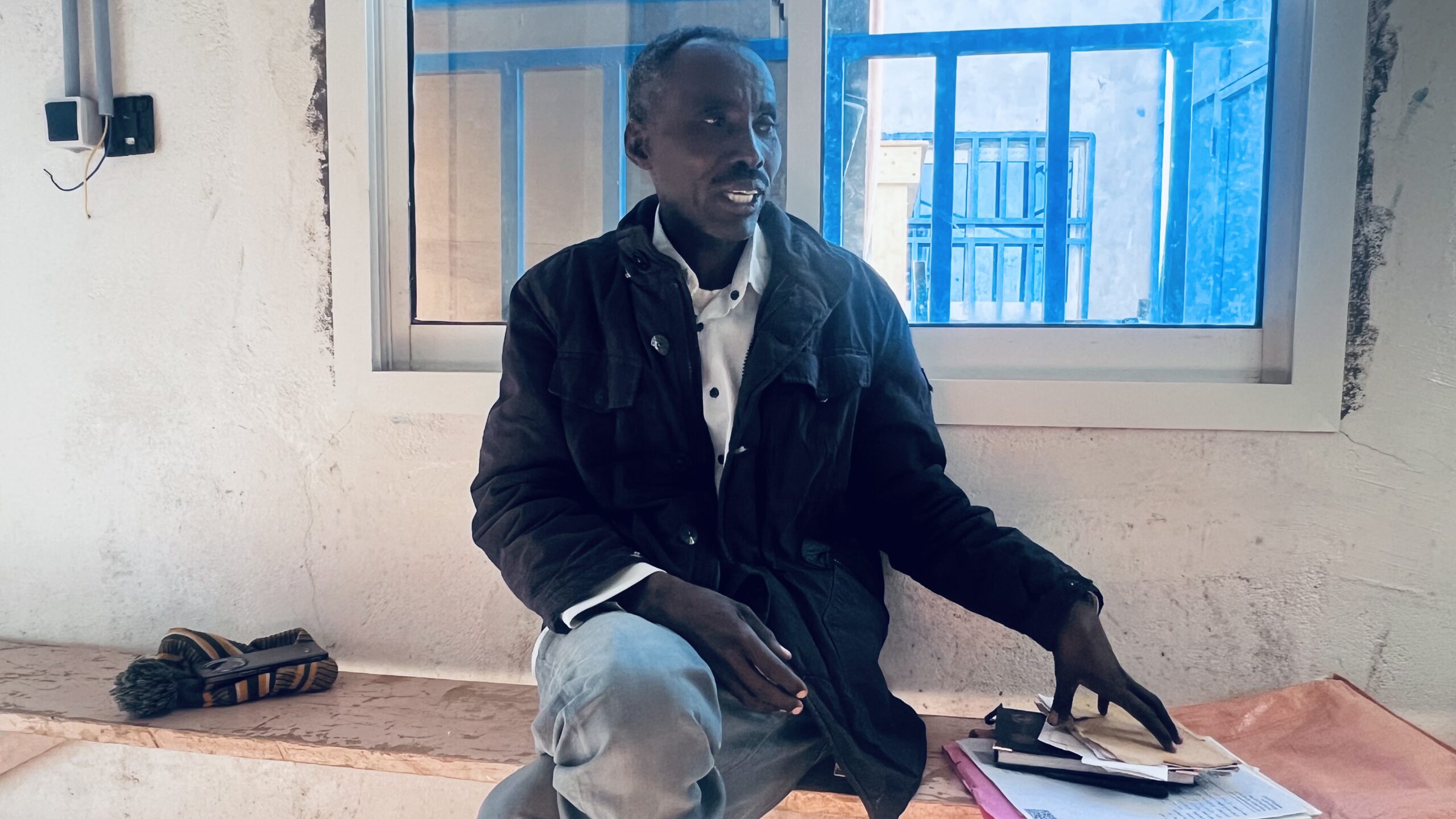
Omar Yusuf Fadhil, 50, worked as a lab technician for the African Union-United Nations Hybrid Operation in Darfur (UNAMID) and later started his own private lab.
Despite fleeing to Chad, his family is still not safe from harm. His older son has kidney complications, and he has not been able to get any help despite his best efforts.
Urgent Action Needed for Sudan
These stories are not anomalies – they are a handful among thousands who have had their lives upended by unchecked violence – and a global decision to look away from Sudan’s crisis.
The hard reality is that the cost of inaction is measured by the number of Sudanese women raped and children facing a man-made famine.
To stem the tide, Refugees International calls on policymakers with leverage to act with urgency on two parallel tracks.
First, the 2026 humanitarian response plans for Chad and Sudan require full funding with immediate disbursement, prioritizing support for local Sudanese responders, such as the Emergency Response Rooms (ERRs), and lifesaving interventions, including protection services for survivors of gender-based violence, emergency healthcare, and food security. Donors should not just fund the response; they should also extract guarantees from the parties to the conflict for a scaled-up, cross-border, and cross-line delivery of humanitarian services.
Second, humanitarian relief must be matched by credible accountability: strengthening the UN Independent International Fact-Finding Mission for Sudan, expanding the International Criminal Court’s jurisdiction, or establishing a dedicated tribunal, and enforcing targeted sanctions against RSF leadership and their financial networks.
These tracks are mutually reinforcing, not alternatives. And external actors, like the UAE, that are supplying weapons to the RSF must be held to account for enabling atrocities. Without coordinated action on both relief and justice, the atrocities in Darfur will not only continue—they will set a precedent that mass violence can unfold without meaningful international response.