The World Must Not Turn Away from Women in Tigray
Aid cuts have led the World Food Programme (WFP) to cut off assistance for 650,000 malnourished women and children in Ethiopia. They are among some 10 million people there who are acutely food insecure in the country, including 3 million displaced by conflict and extreme weather. It is a stark reminder that the United States and other donors have, for the second time in three years, abandoned women in northern Ethiopia.
At a spring event featuring women working with survivors of sexual violence in Ethiopia, I was reminded that while the country’s conflict technically ended in 2022 with the signing of the Pretoria Agreement, many in Tigray still face dire conditions. The policy makers responsible for aid cuts would do well to hear directly from people affected by these cuts amid shocking levels of sexual violence—as well as the brave women responding locally. It’s not too late to learn lessons from the recent past and resume assistance to northern Ethiopia.
The fact is that we don’t have to imagine what the Trump administration’s aid cuts will look like in Ethiopia: we have seen this before and already know how devastating it will be. It is particularly urgent given new concerns that war could break out again.
Just a couple short years ago, the conflict in northern Ethiopia killed more than 600,000 people and displaced millions. Just as the region started recovering from the war, USAID and its partners, in early 2023, halted food aid distribution as it rebuilt the system to reduce corruption. While understandable from the perspective of reducing fraud, the stoppage had devastating effects. When I visited Tigray in 2023, I met with mothers who had only cattle feed or hardened roots to feed their children. Aid organizations and local groups sounded the alarm for rising food insecurity, pointing to rising malnutrition rates and hunger-related deaths.
Now, some have lost hope that anyone cares or will help them. More than 750,000 Tigrayans are still displaced, despite being told they could return home years ago when the Pretoria Agreement was signed. Many are huddling in crowded schools without food or water. The recent humanitarian cuts have meant even fewer resources are reaching this displaced group. Other assistance, including programs for women and children, HIV medications, vaccines, and literacy programs, has been halted.
An estimated 120,000 people were victims of sexual violence during the Tigray conflict. As Refugees International has reported, sexual violence was rampant during the conflict: in one study, of those reporting rape, some 70 percent were gang-raped, and now have lasting physical and mental scars. A newly released report from Physicians for Human Rights (PHR) provides even more data, which shows how entrenched conflict-related sexual violence was in Tigray, as well as in the neighboring regions of Afar and Amhara.
The level of brutality many Tigrayan women faced is hard to grasp. And while hard to read, it is important that the world know. Health professionals have reported many cases of traumatic fistula; surgeons removed metal wires from the wombs of women, as well as rusty nails, screws, nail clippers, shrapnel, and other sharp objects brutally shoved into women. Different accounts have described removing papers with hate messages – sometimes wrapped in plastic – from women’s bodies, underscoring the group that committed the rape and the intention of making the woman barren. Other stories continue the horror: some women were raped in front of their children; others watched soldiers execute their children before being subjected to gang rape and sometimes captivity.
In some cases, soldiers with HIV were encouraged to rape more women, to ensure that the virus would spread. The perpetrators targeted young girls through elderly women. Some of the children were born from rapes that these mothers endured, in some cases resulting in their rejection from their communities if the rape is discovered.
These are the women the United States is now abandoning. Tigrayan women need physical and mental support to survive. And they should not have to watch their children also suffer and teeter on the brink of survival.
A source of strength is knowing that there are local groups and organizations, sometimes also working with international groups, who know how to help. They know how to mobilize and support one another to find healing. They know how to fight for survival. A recent roundtable of “hidden hero” women leaders in Ethiopia reminded me that, with a bit of support, their work can have a significant impact on the lives of these survivors. Many risk their own safety to run shelters and support survivors, often operating with little to no support.
One local organization runs dozens of IDP settlements for around $500,000 per year – a tiny amount for a country like the United States. With resources restarted, local groups and other aid actors could support survivors of sexual violence and help the community rebuild and heal.
Those in the donor community – in the U.S. government and in other countries – who think humanitarian assistance is a waste should read and listen to the women of Tigray. Their stories of survival and dedication to help one another heal is a testament to the value of aid.
Dr. Sarah Miller is a senior fellow at Refugees International. She traveled to northern Ethiopia in 2023 and has covered the situation there for women since.
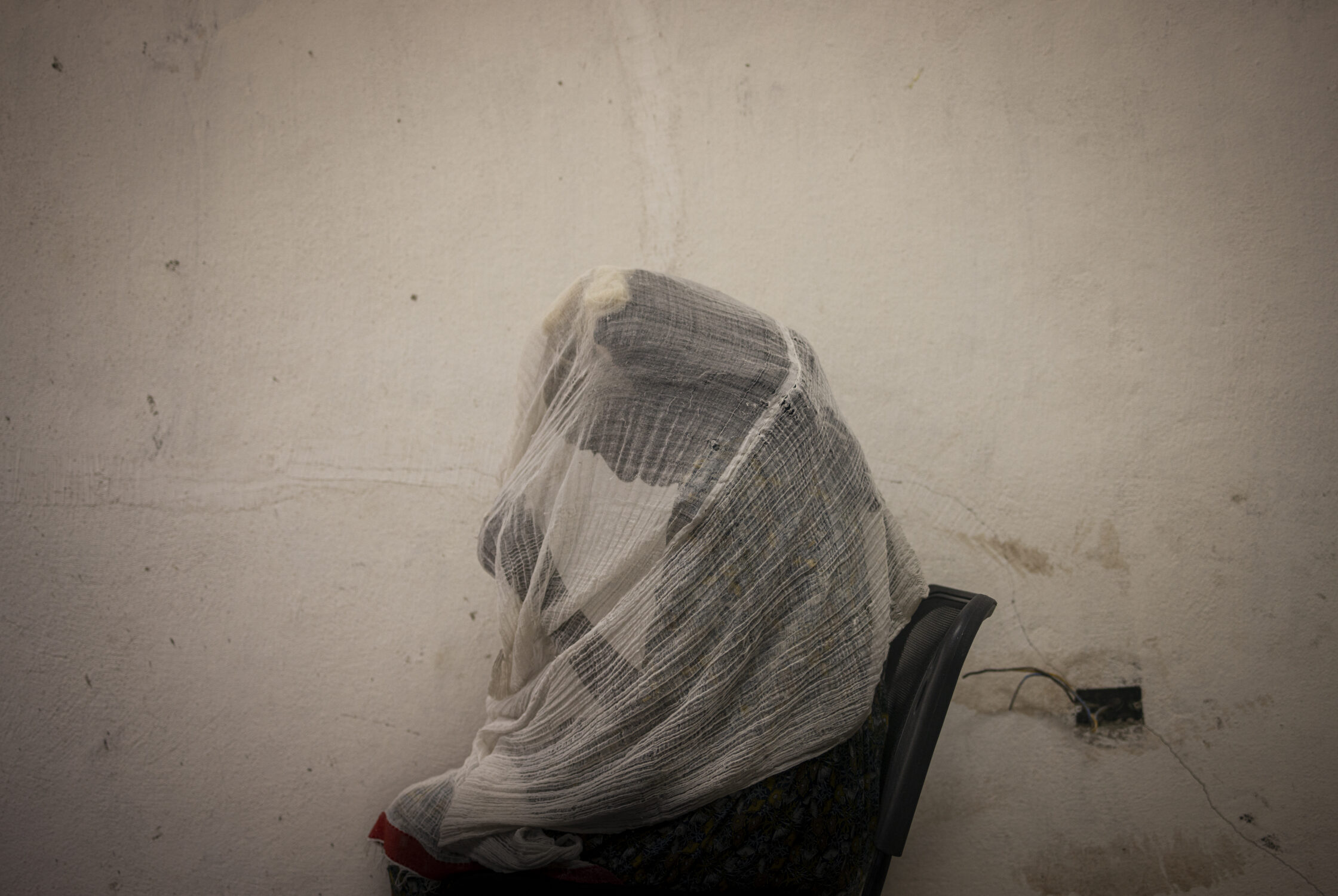
Featured Image: A woman poses for a photograph in an undisclosed location in Shire on October 11, 2024. She told AFP that she has been beaten, tortured, and raped by seven men with different military uniforms, Ethiopian and Eritrean. (Photo by MICHELE SPATARI/AFP via Getty Images)